
ORANGE FOOTSTEPS
HISTORY
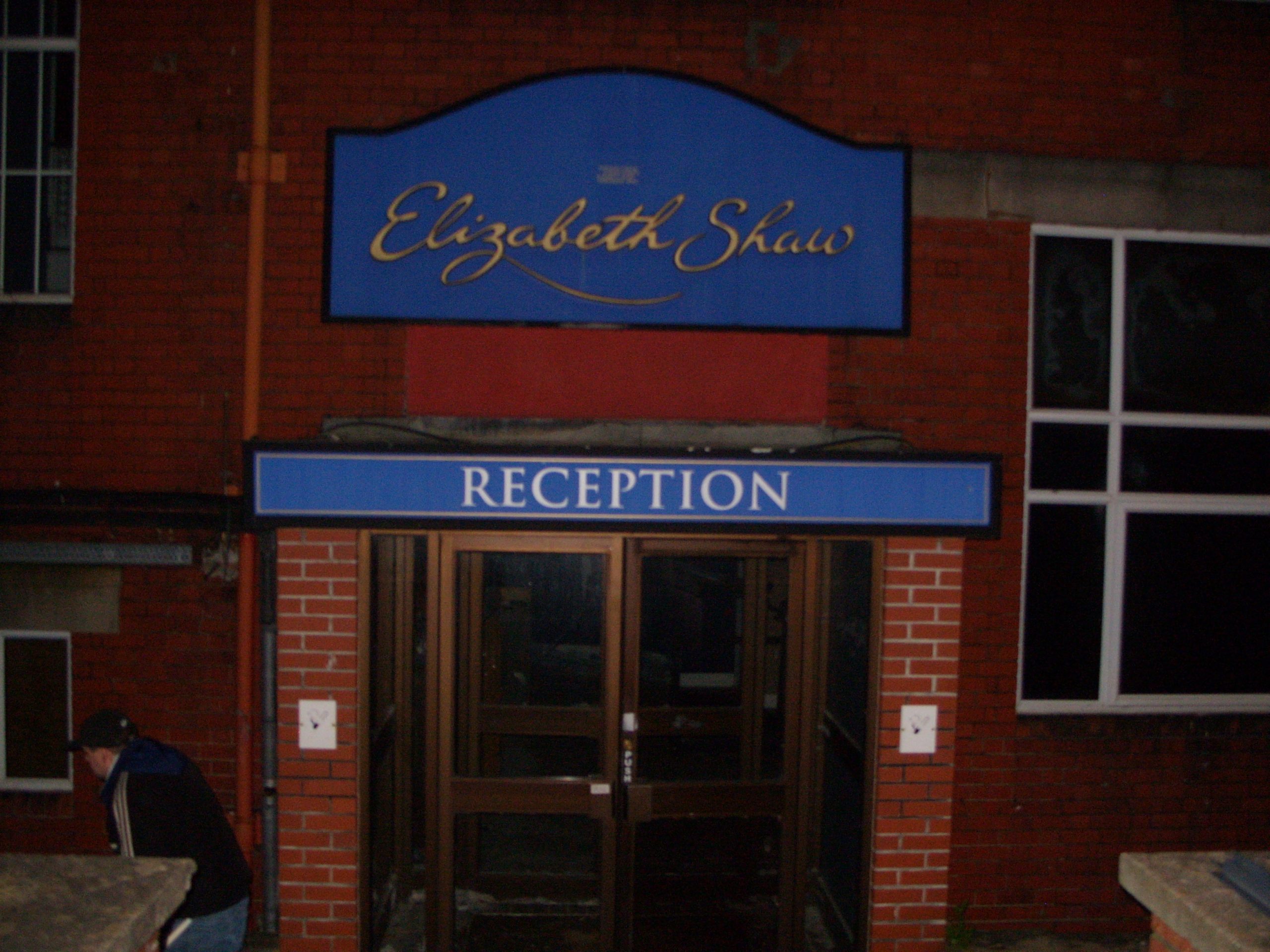
Elizabeth Shaw Ltd is a Bristol-based company owned by Colian Holding that markets chocolate-based confectionery, including the brands Famous Names liqueur chocolates and Elizabeth Shaw Mint chocolates. The modern company was formed from several mergers of well established confectionery companies, first by J A & P Holland and then by James Goldsmith in the 1960s as part of his creation of his food conglomerate Cavenham Foods. In 1810, the business was founded by Thomas Firth as Firth Confectioners and was Pontefract’s second liquorice factory, making Pontefract cakes. The business changed hands first to David Longstaffe, before coming under the partnership of Robert Ewbank and W. F. Horsell. The company moved to the larger Eagle Liquorice Works in 1887, but the partnership broke up in 1892 leaving Ewbanks solely in charge. The company became incorporated in 1912. The factory was damaged by incendiary bombs during World War II, with a replacement being opened in 1948. The business was purchased by Hollands of Southport in January 1961 for £72,600. The Eagle Liquorice Works were closed in 1965 after becoming part of Cavenham Confectionery.
Israel Edward Woolf established Yeatman & Co from 119 New Bond Street, Stepney in 1857 selling Yeast powder, later opening a factory in Denmark Street and by 1884 they had diversified into Baking Powders; different flours; Callsayme Bitters; Lime-juice Cordial; Custard Powder; Egg Powders; Curry Powder; Flavouring Essences; Disinfecting Powder and Insect Powder. In 1899, Nursing Record & Hospital World stated that Yeatman’s ginger marmalade and coffee extract tasted more of coffee than rivals’ products. In 1898 the company was incorporated and had added further products to its range including soups, jams, jellies and sweets. Yeatman’s Delicious Jelly Tablets were exported to Australasia, and the company produced the first sweets for Marks & Spencer. Their factories in Stepney were destroyed by fire during the Blitz, and with government assistance, Yeatman’s opened a new factory in Watford, where they made a more restricted line of canned and bottled fruit, fruit squashes, sweets (under the Goodies and Selesta brands), and their best-remembered product, Sunny Spread. The business was sold to James Goldsmith’s newly acquired business Carsons Ltd in 1964, and subsequently integrated into his Cavenham Foods business, with production being transferred and the factory being sold to Goldsmith’s former company, Mothercare.
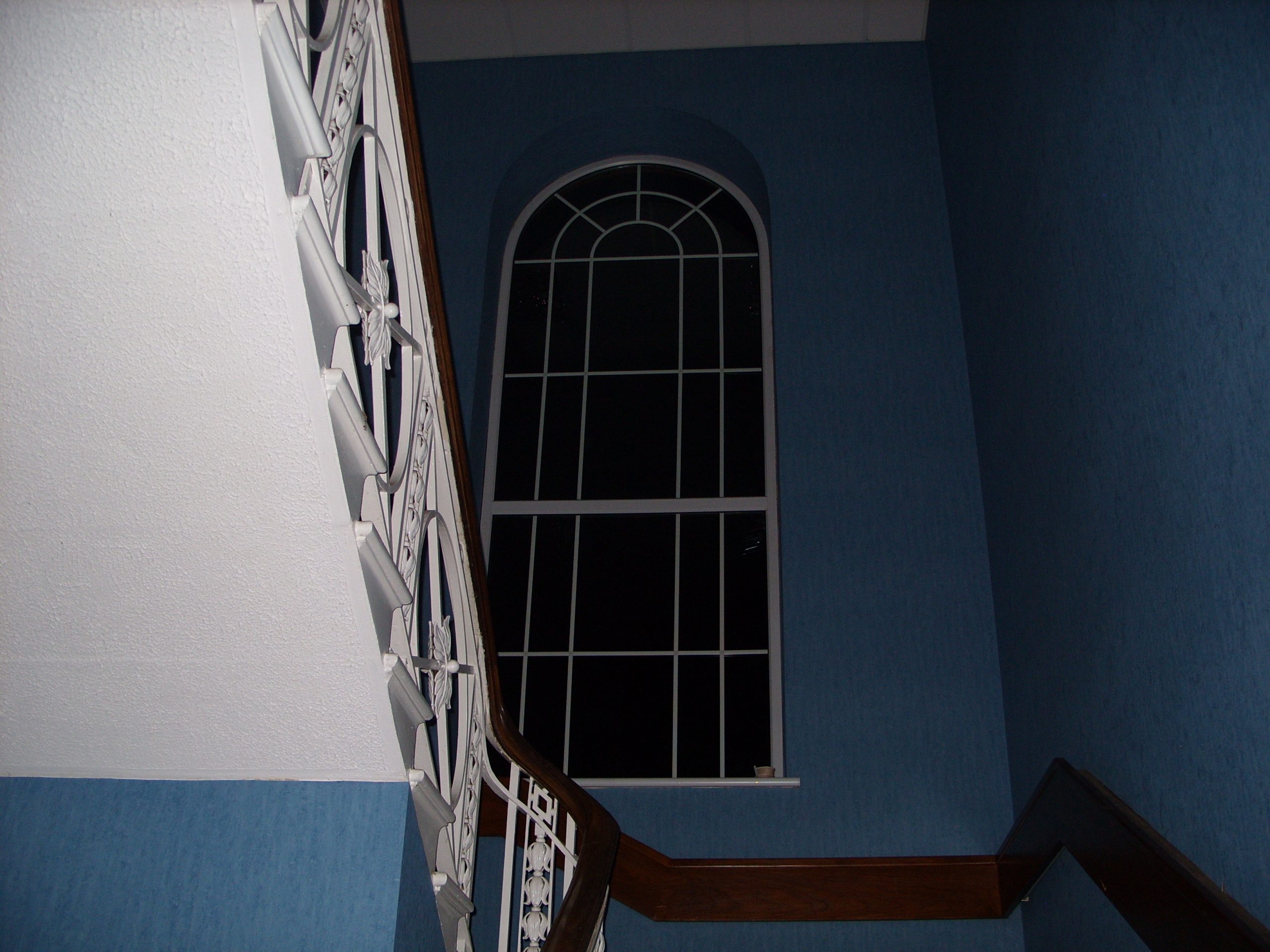
Elizabeth Joice and her husband Patrick, started a cottage confectionery business making honeycomb mint-flavoured crisps in 1937, named after Elizabeth and taking Shaw from her former employer Page & Shaw. They were soon marketed as Mint Crisps and by 1939 a new factory in Brentford was opened called Mint House. The business continued to grow offering new products including Mint Creams. However the business was damaged by fire in 1953, and the Joice’s had to sell the company and production was moved to a factory in Camberley. However the new factory also fell to a devastating fire in 1968, and the business was purchased by Cavenham Foods and production moved to Greenbank.
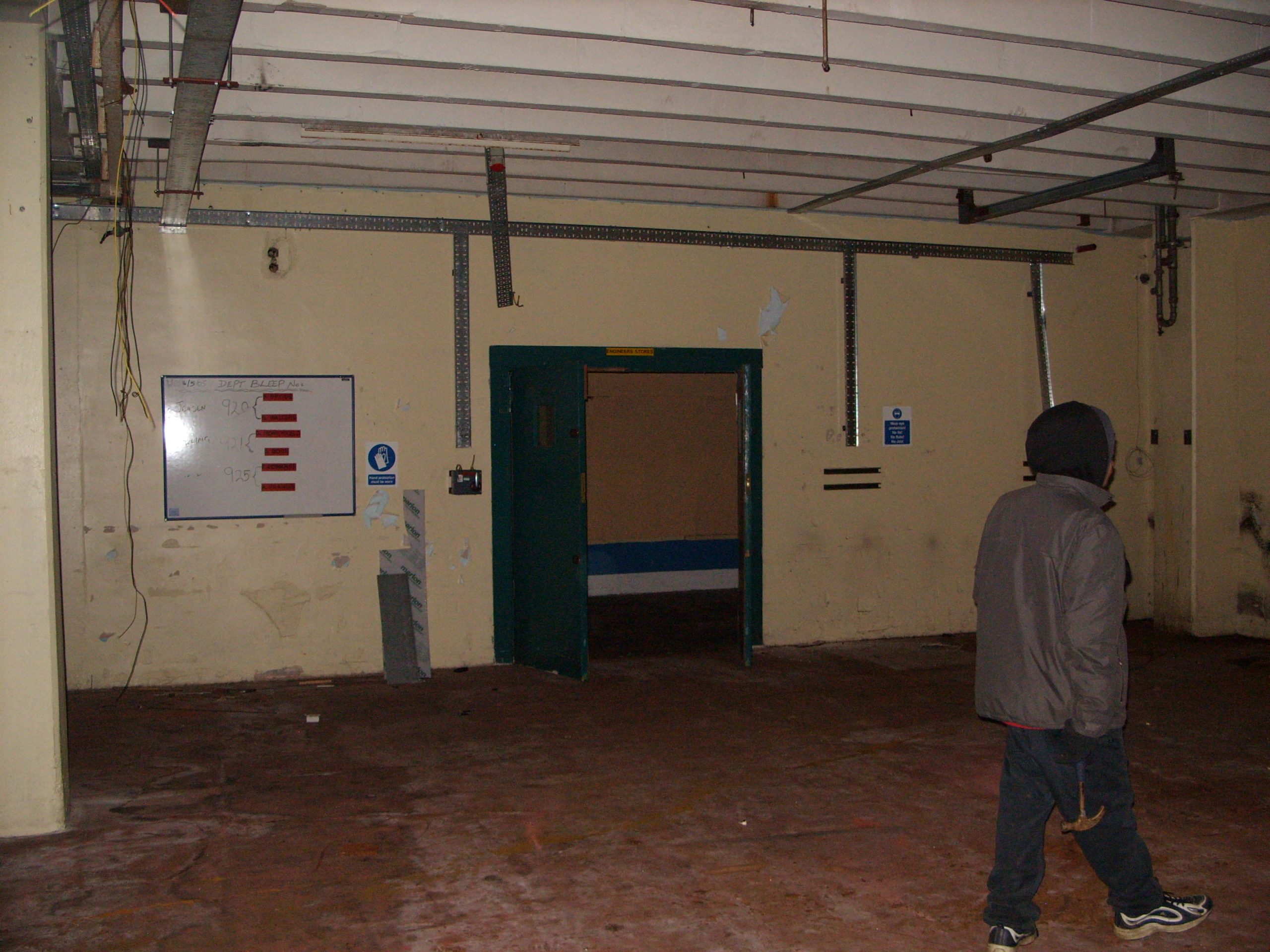
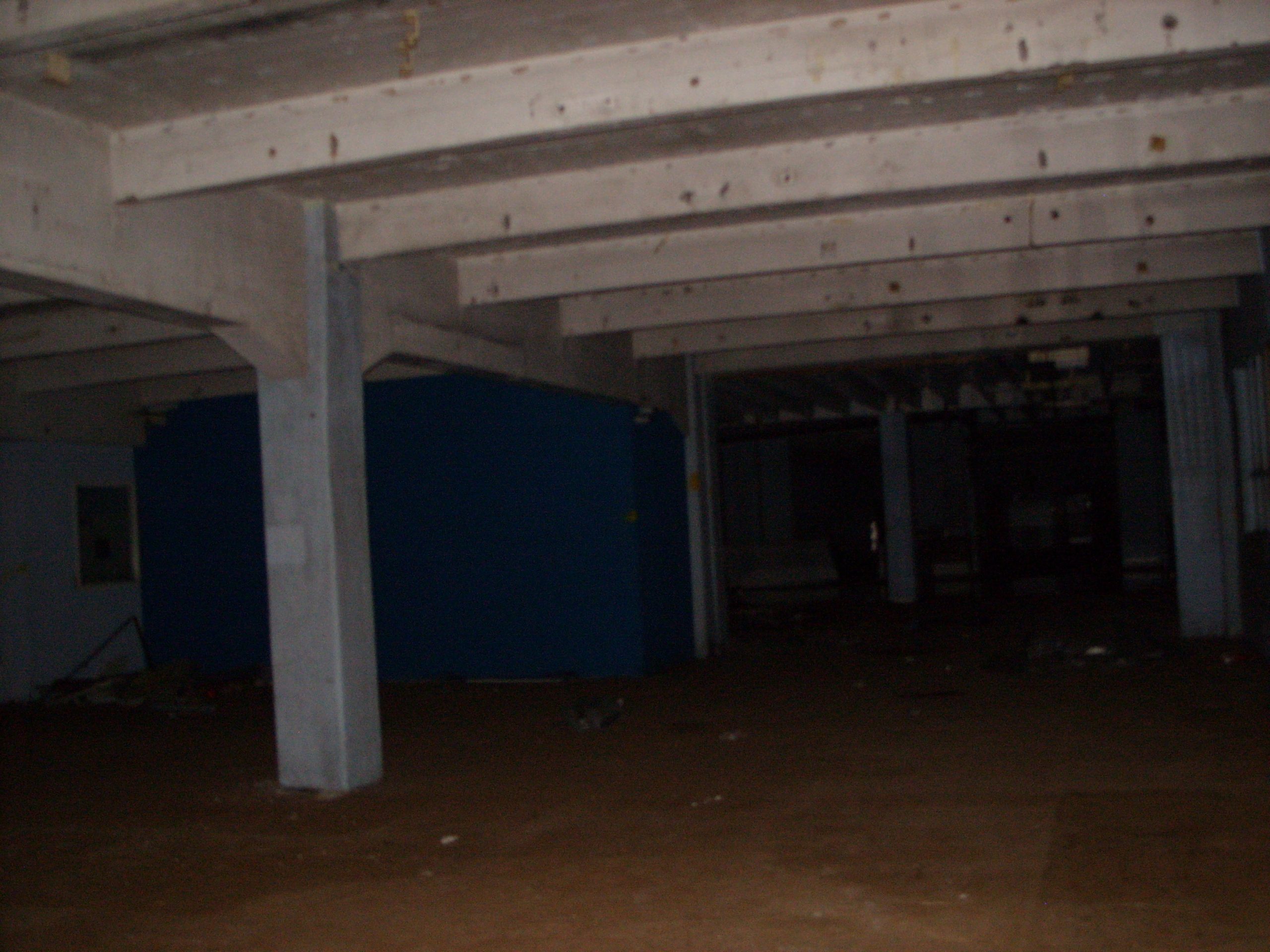
The business at the time of its purchase by the management team had 44% of the UK’s chocolate liqueurs market and 50% of the chocolate mint trade. The business was purchased by conglomerate Imperial Group in 1985 but was again purchased by its management in 1988, after divestment of business by new owners Hanson Trust plc, and they renamed the business Elizabeth Shaw Ltd with the Famous Brands name dropped. The business was again sold in 1990 to Finnish confectionery business Leaf. In March 2006 Elizabeth Shaw’s chocolate business was purchased by Nói Síríus, the largest confectionery manufacturer in Iceland. In 2006, faced with the high costs associated with the 330,000 sq feet building, the company relocated its manufacturing to factories in the UK and in mainland Europe, and closed the then 105-year-old factory. The business was subsequently purchased by a Norwegian company, Imagine Capital in 2009. In 2016, Colian Holding, Poland’s largest confectionery manufacturer, acquired Elizabeth Shaw from Imagine Capital. Elizabeth Shaw office alongside the factory in 2004. After the factory closed in 2006 successfully argued against the initial developer’s plan for redevelopment of into flats and houses. The building, in the eyes of local residents, represented part of the industrial heritage of Bristol. The opposition to this redevelopment was supported by George Ferguson, whose vision had earlier turned a defunct tobacco factory in Bedminster into one of Bristol’s leading artistic and creative venues, called the Tobacco Factory. However, as of 2012, the building was still standing empty, following the failure of all the parties involved in the plan to deliver a second, acceptable and workable solution for the future use of the building and site. More information is held on an archived community group website for the chocolate factory. By late 2013 the building had reverted to the Clydesdale Bank and developments were being planned by the Generator Group. In August 2014, Generator South West submitted a plan for open spaces around a development of flats and housing.
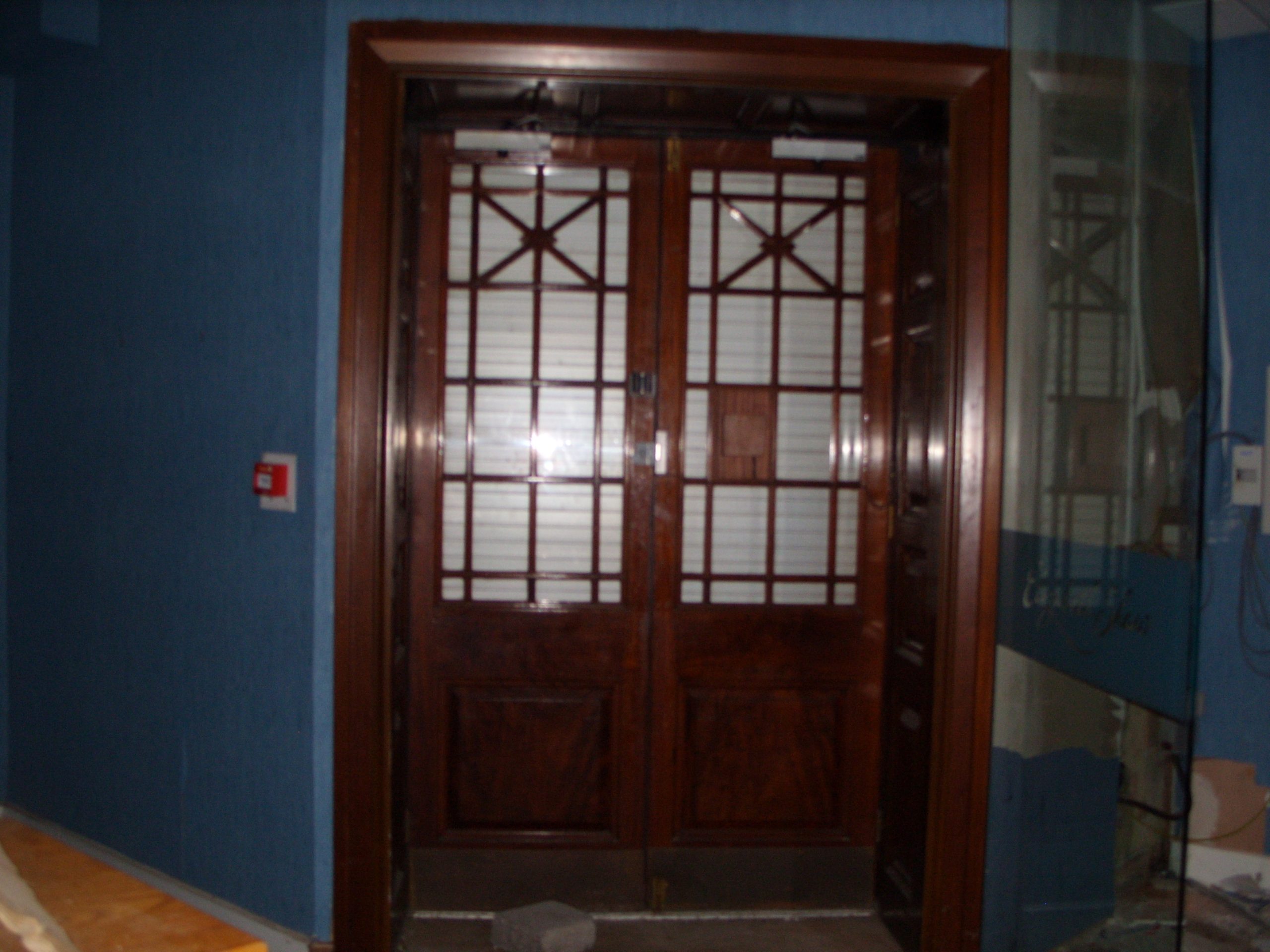
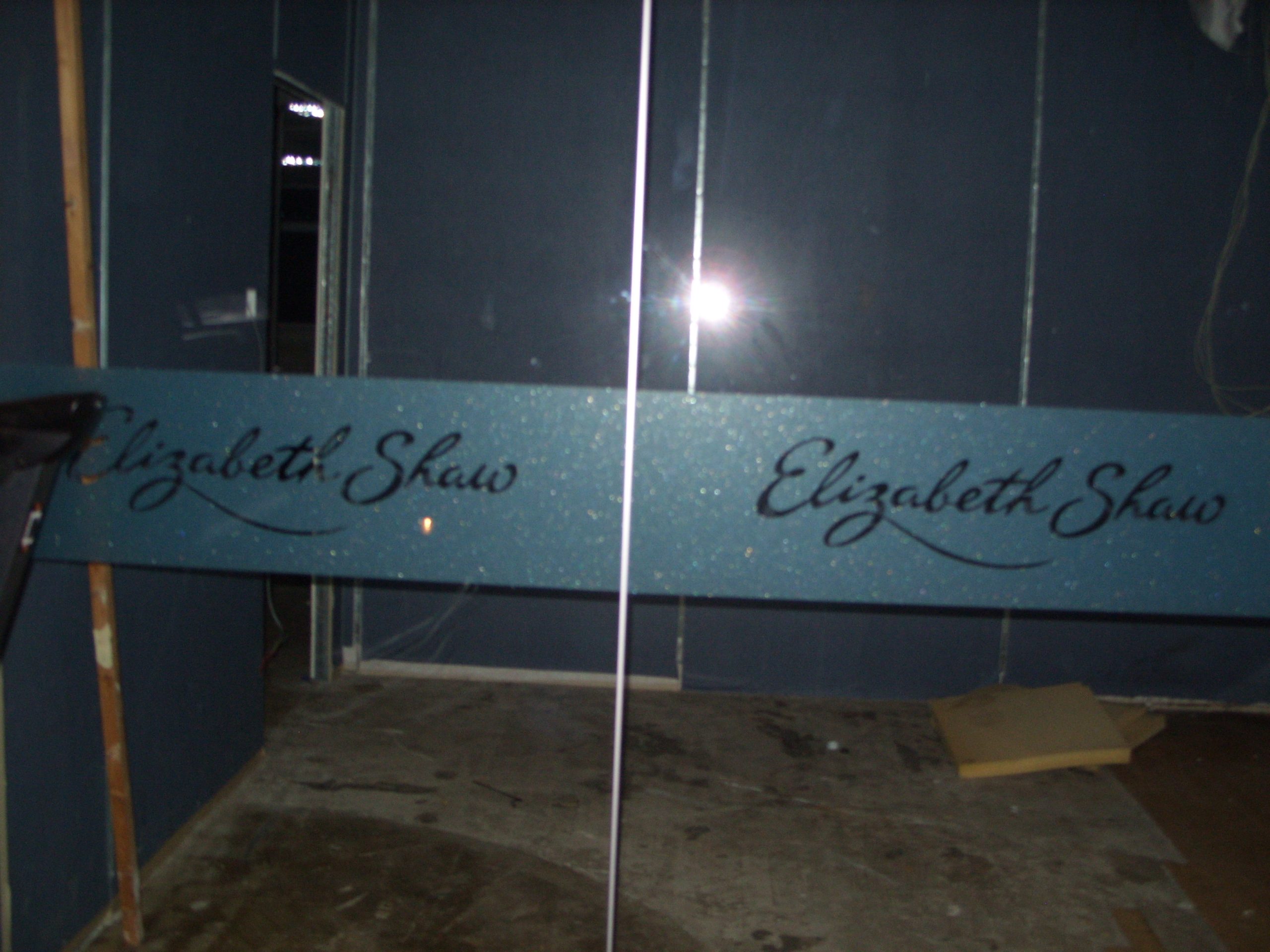
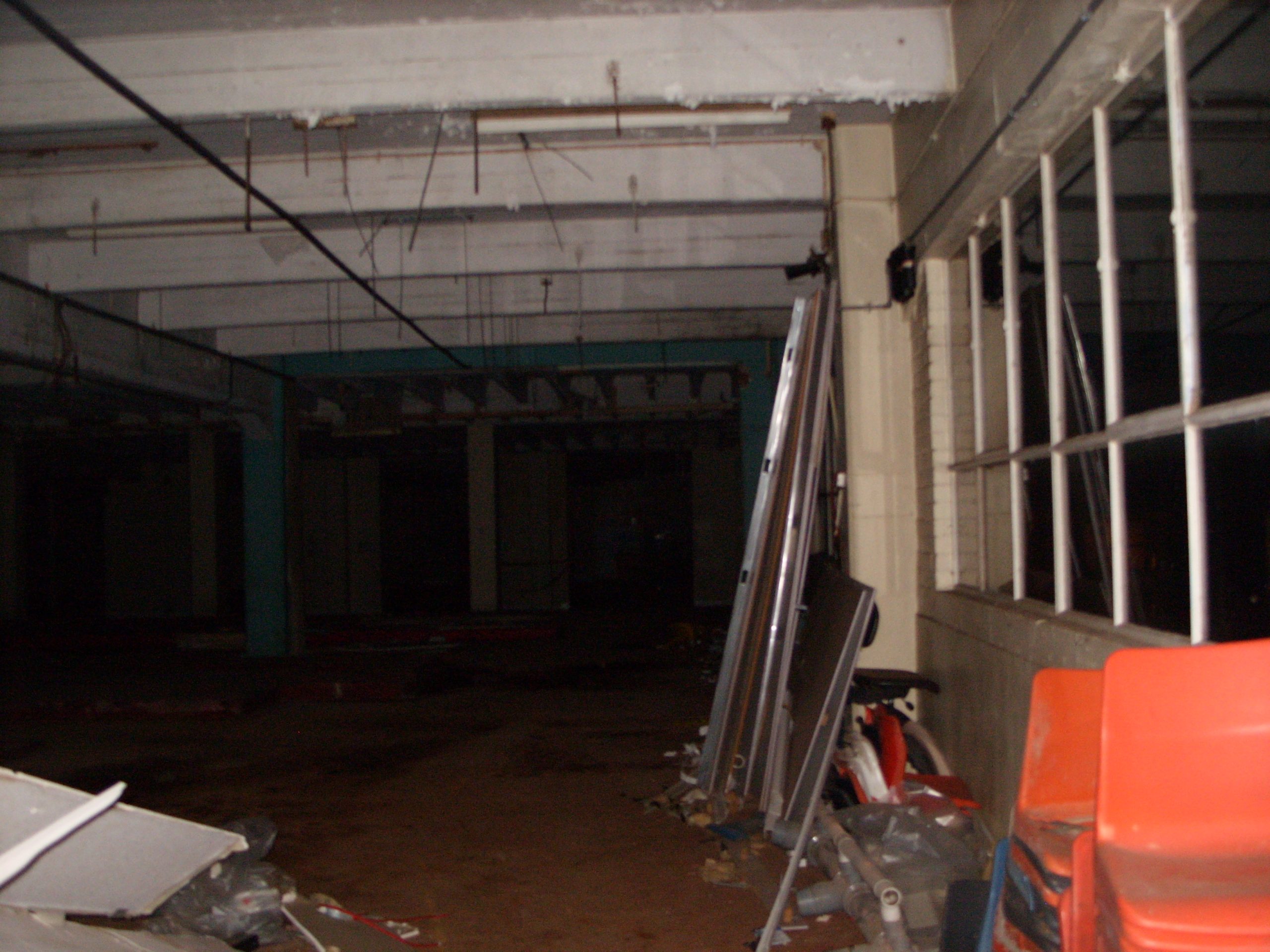
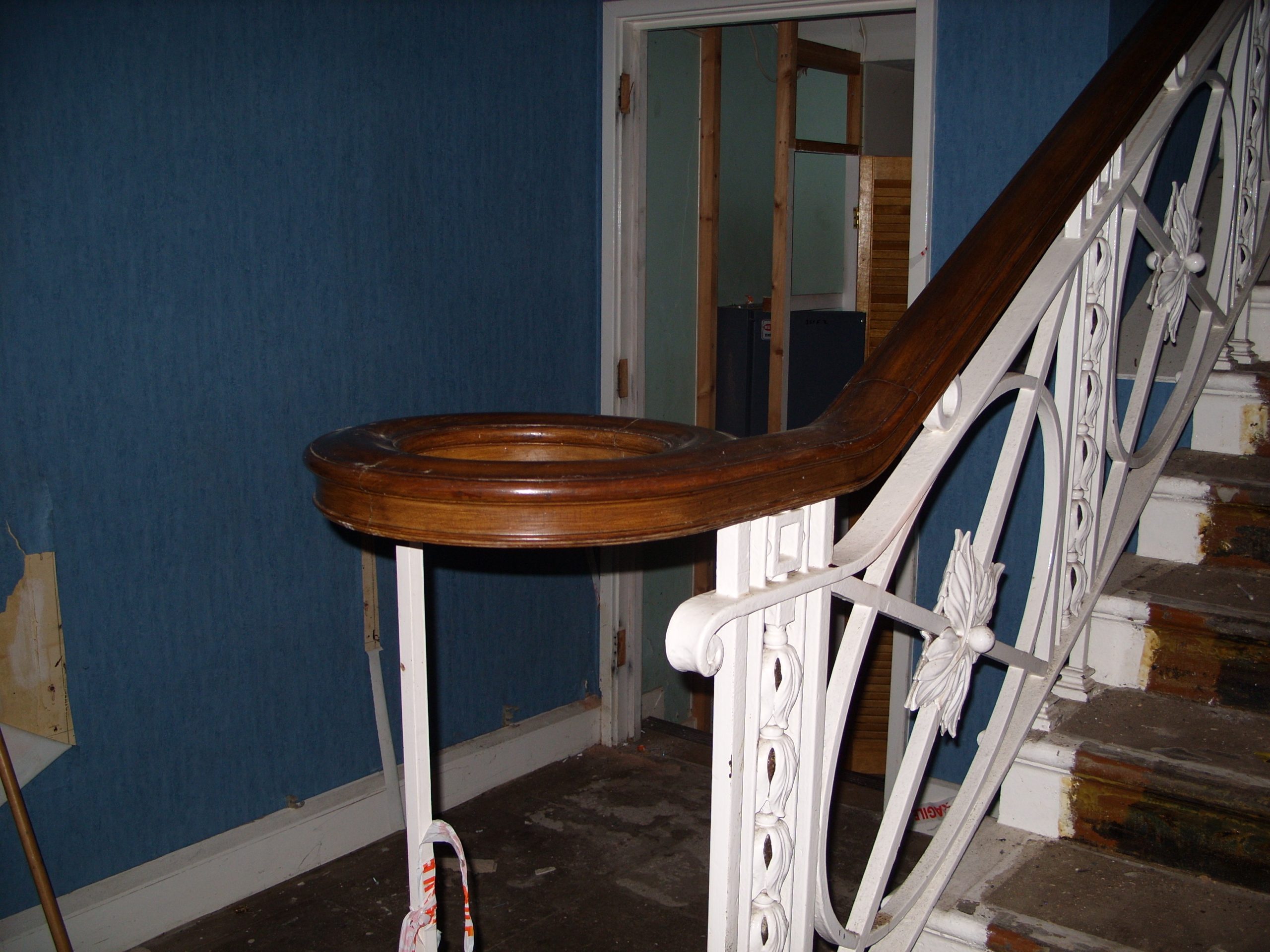
As of 2016 there had been many problems surrounding the development of this site, namely that developers Generator South West “have asked to be excused from the legal obligation that between 30 and 40 per cent of any development be social housing, on the basis that the extra costs of restoring old, historic buildings makes the plan economically unviable. Community action group ACORN were one of the groups campaigning against this back-tracking on the provision of social housing due to the continuing housing crisis in Bristol and severe lack of social or affordable housing being built. Developers Generator Group worked with Bristol City Council to ensure that 36 shared ownership homes were created alongside the private housing. The first homes to be built for occupation in 2021 were shared ownership.[54] Information about the plan for the 1950s factory block that remains undeveloped, can be found by searching the documents on the city council planning archiv. Records of Elizabeth Shaw Limited, primarily relating to the Greenbank factory, are held at Bristol Archives. The collection also includes some records of HJ Packers, Carsons Ltd, Cavenham Confectionery Ltd, United Biscuits, Hollands Toffees, and Huhtamäki amongst others which are linked with Elizabeth Shaw Limited.