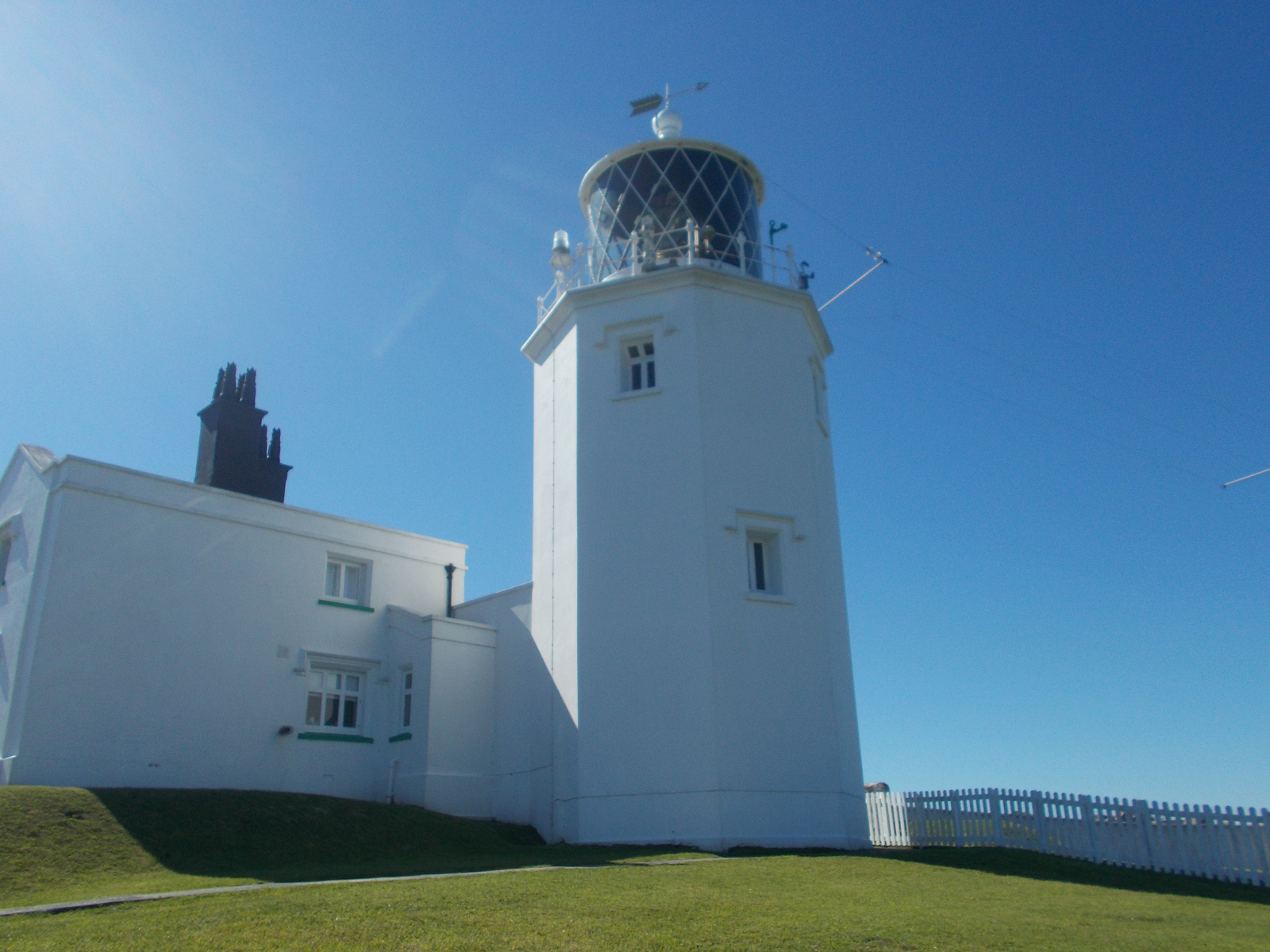
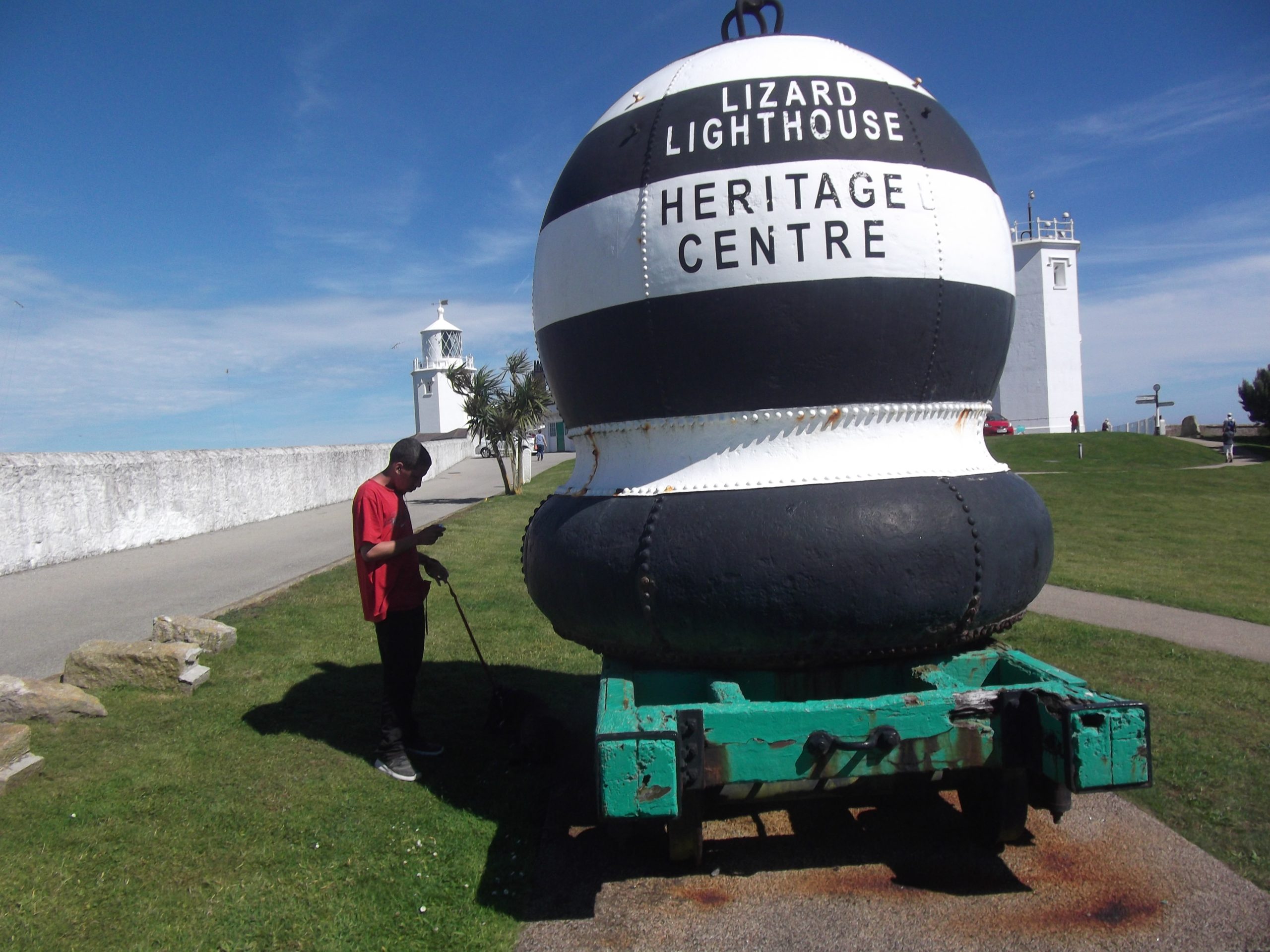
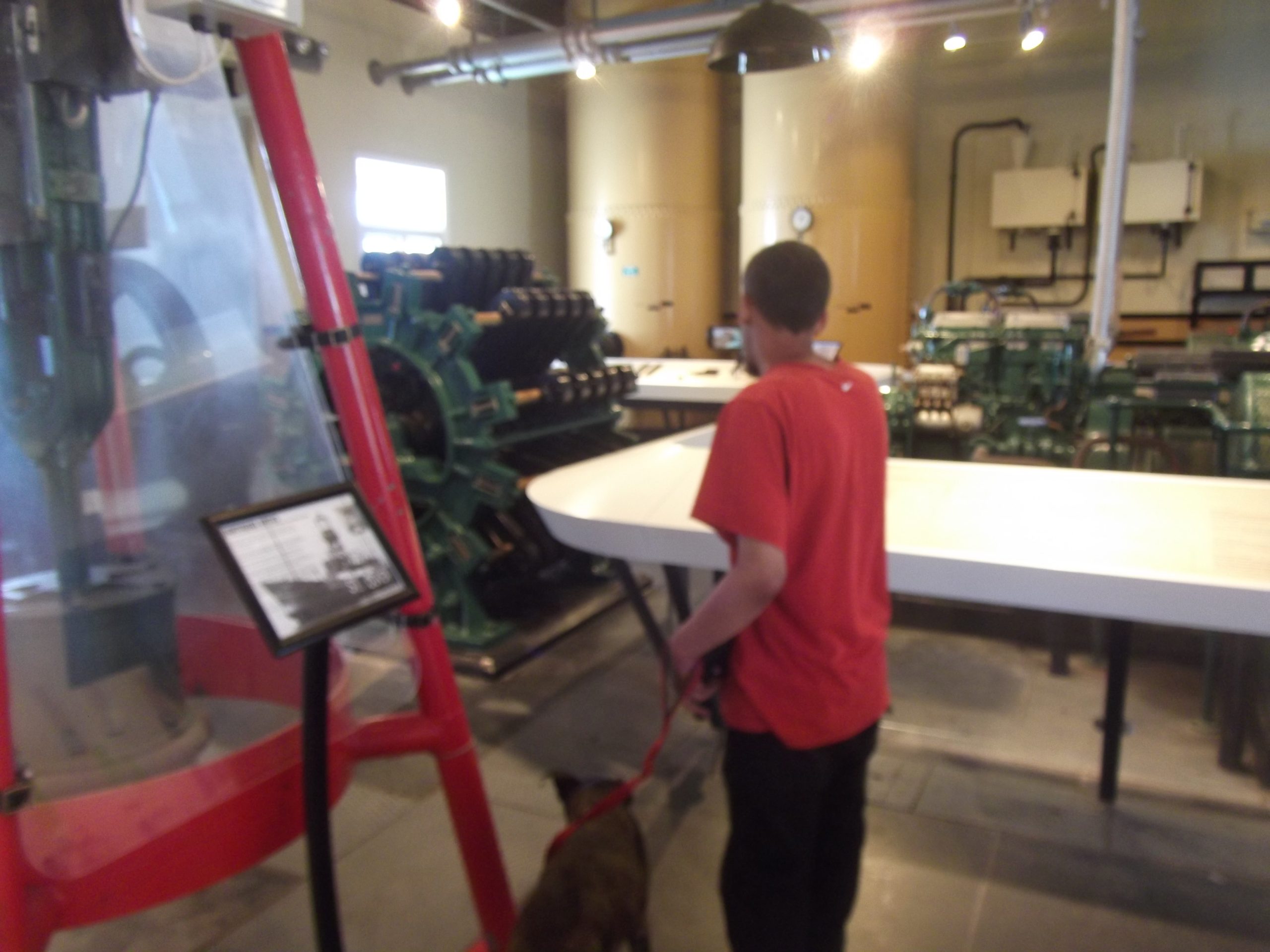
The history of the Lizard Lighthouse on Trinity House spans over four centuries at the southernmost tip of mainland Britain in Cornwall. 1619 (The First Light): Cornishman Sir John Killigrew built the very first private lighthouse here after receiving a patent. However, it ran into severe financial and maintenance difficulties and was demolished or abandoned around 1630, partly due to local resistance from communities who profited from shipwrecks. 1751–1752 (The Twin Towers Built): Landowner Thomas Fonnereau constructed the iconic twin-tower stone and brick structure connected by keeper quarters. Each tower originally burned coal fires (braziers) at the top to guide ships through the English Channel. 1771 (Trinity House Takeover): The general lighthouse authority Trinity House assumed control of the station. 1812 (Argand Lamps): Coal burners were replaced with fixed oil-fired Argand lamps and parabolic reflectors. 1878–1881 (Electric Light & Engine Room): The station was upgraded with electric arc lights powered by early magneto-electric generators, and an engine room was added in 1881 alongside compressed-air fog signals. 1903 (Western Tower Deactivated): With improvements in lens technology and brightness, only one light source was needed. The western tower was deactivated and its lantern dismantled. 1950 (Mains Electricity): The facility transitioned to mains electricity. 1998 (Automation): The lighthouse was fully automated, and the last traditional fog signal was replaced. Operations are now monitored remotely from Trinity House in Harwich, Essex. 2009–Present (Heritage Centre): The former engine room opened as a visitor attraction with support from the Heritage Lottery Fund (though the heritage displays have faced temporary closures in recent years.)