Unlike the small trinkets made by individual artisans, this factory specialized in grand, industrial-scale objects. They manufactured heavy architectural features, including church fonts, shop fronts, grand ornamental urns, and mantelpieces, which were featured in high-profile buildings like the Duchy of Cornwall offices in London.
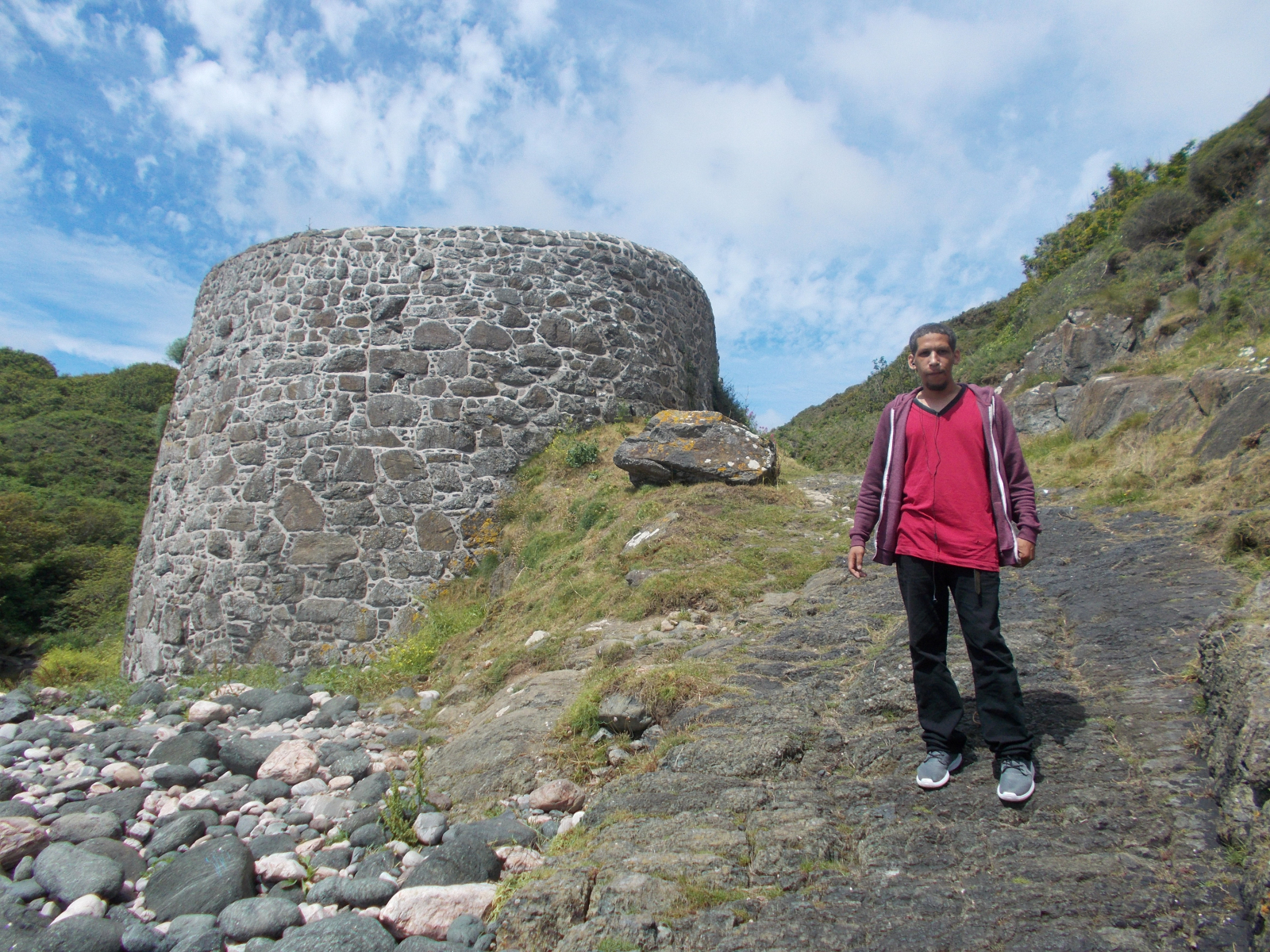
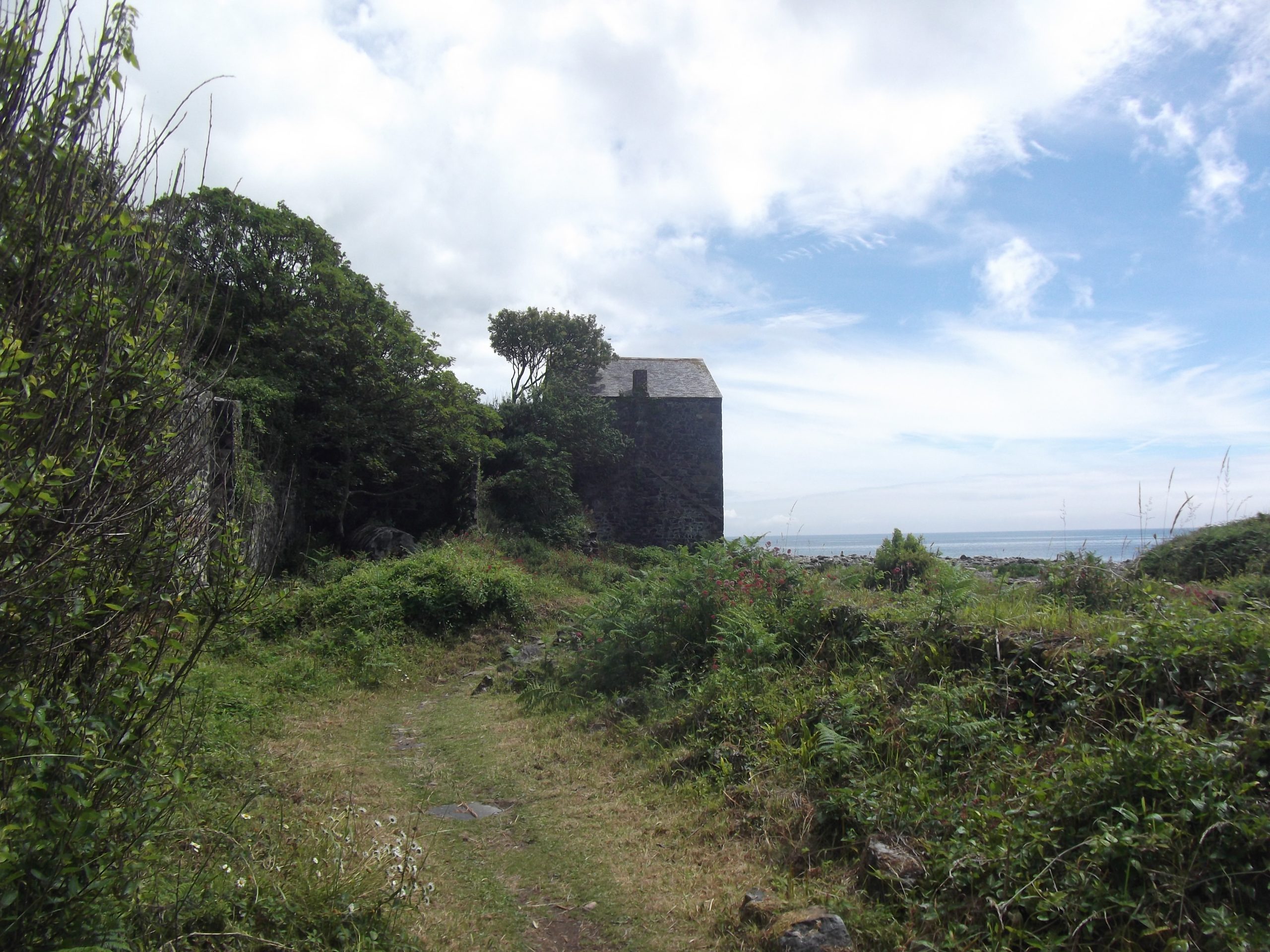
Shipping: Raw stone was brought in from nearby cliffside quarries (like Balk Quarry). Once processed, flat-bottomed barges carried the massive, polished items out to large schooners anchored offshore in the bay. At its height, the factory employed over 20 local men. However, the boom was relatively short-lived. By the late 19th century, the factory faced soaring transportation costs, the natural brittleness of the stone, and a shift in high-society fashion trends—largely driven by Queen Victoria’s newfound preference for Italian marble. The complex officially ceased operations in 1893. During the 1930s, the factory was mostly demolished, and some of its surrounding quarries were later repurposed during WWII to crush stone for military airfield runways. Today, the site is protected and managed by the National Trust. Visitors walking the South West Coast Path near Kuggar can explore the imposing stone ruins of the 1866 warehouse, the ancient wheel pit, and an open-air exhibition detailing the valley’s industrial heritage.