Inspirations

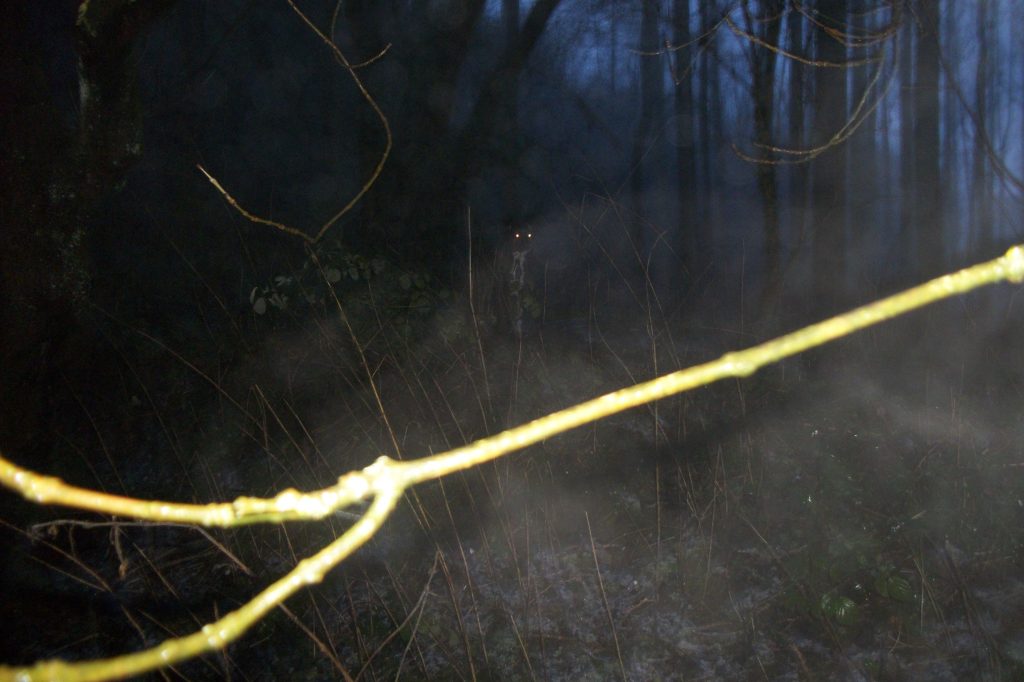
Lil’ Inspirations – Frozen Web

GALLERY

100_0390

Image 1 of 9

MUSIC

POEM

😀
0
😍
0
😢
0
😡
0
👍
0
👎
0

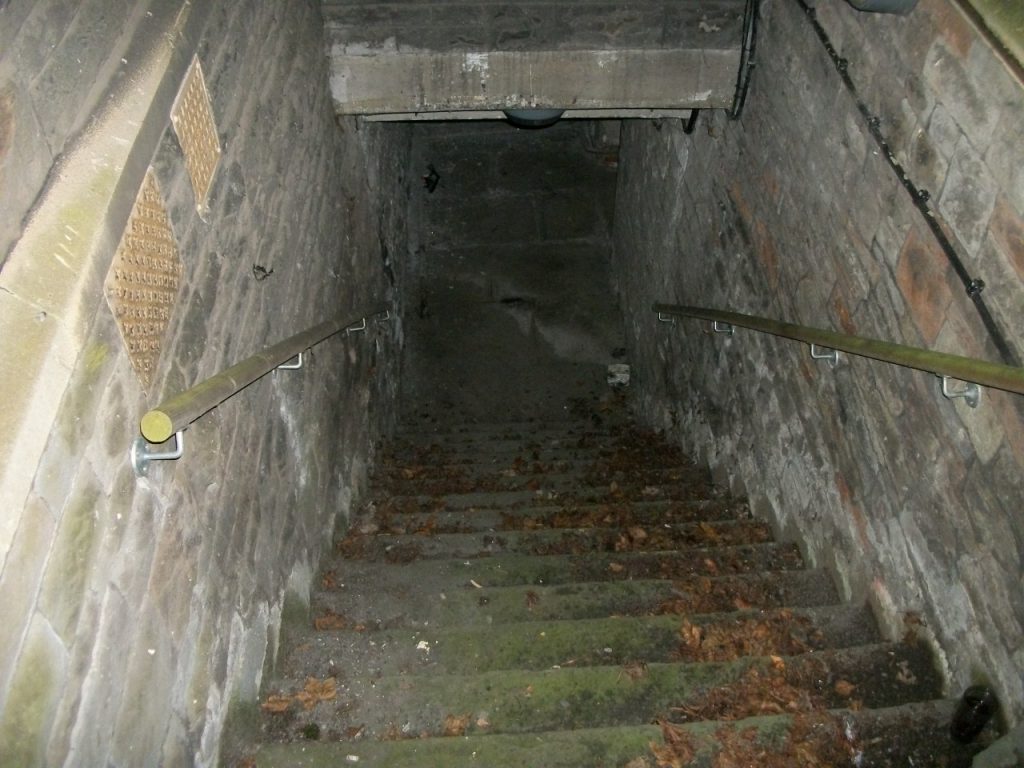
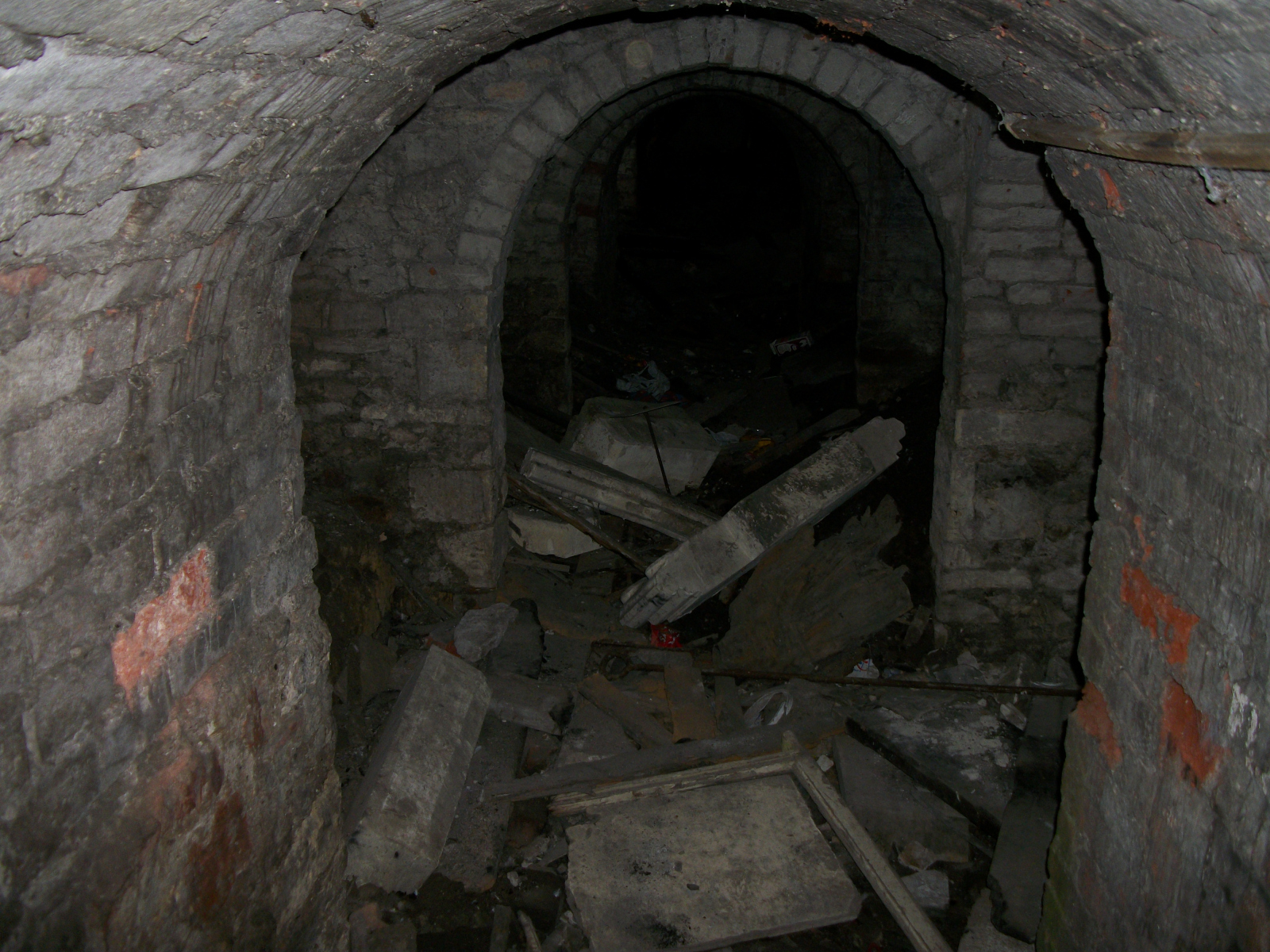
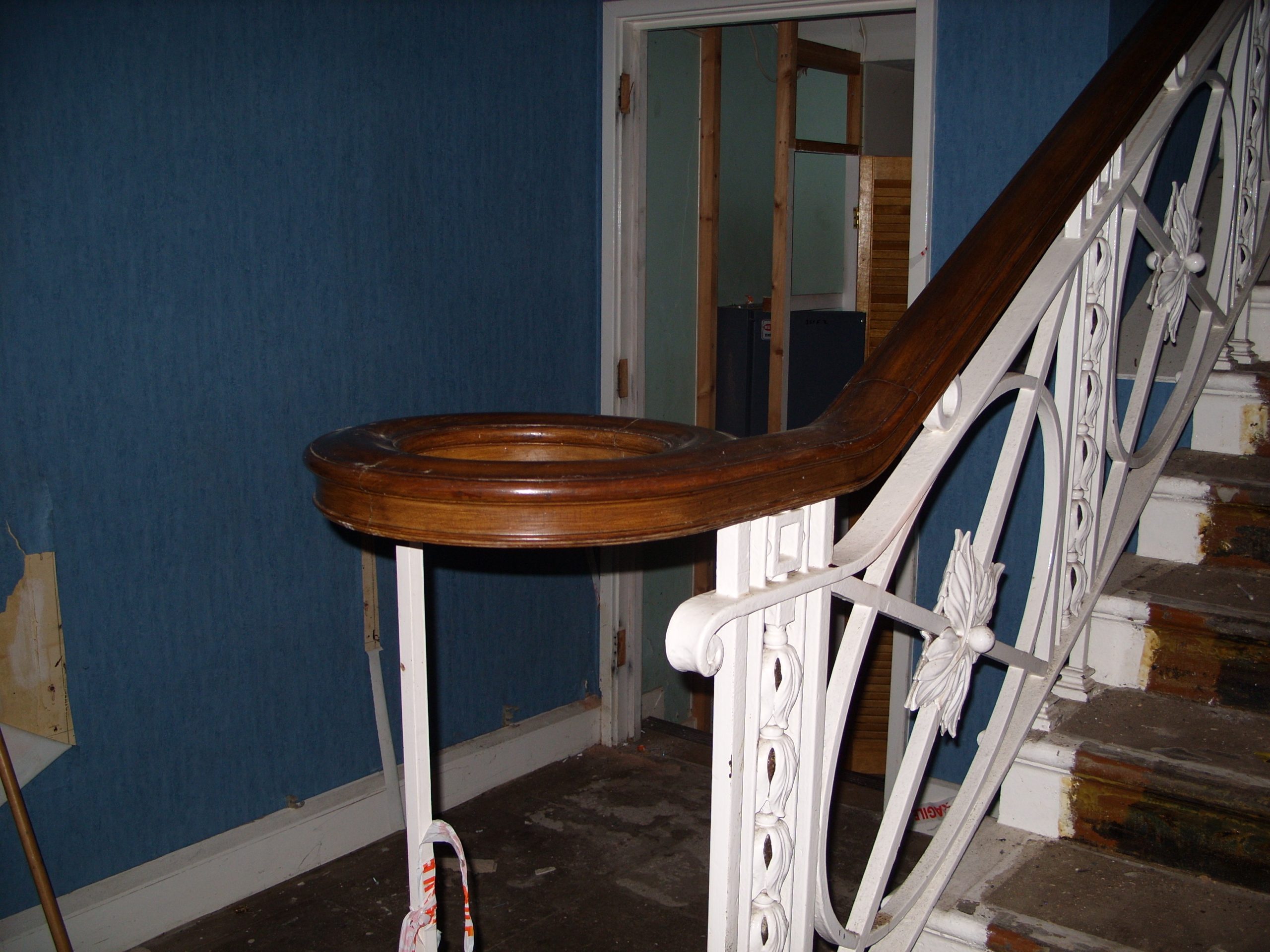
Lil’ Inspirations – Stairs Of Despair

STAIRS OF DISPAIR

GALLERY

100_0800

Image 1 of 58

HISTORY

The history of Blackberry Hill (located in Stapleton and Fishponds, Bristol) spans over two centuries, moving from wartime incarceration to poor relief, healthcare, and modern housing.


• 1779–1783 (Stapleton Prison – American War of Independence): Built originally as a purpose-built prisoner of war camp to hold naval prisoners (largely Spanish and Dutch) landed at Bristol quays.
• 1793–1815 (Napoleonic Wars): Re-opened and expanded as France declared war on Britain, housing thousands of French prisoners of war who constructed additional wings. The original prison shell in Manor Road, the British Garrison Officers’ Mess House, and the Admiralty Agent’s House still stand.
• 1832 (Cholera Hospital): The facility was converted into a cholera hospital during an epidemic outbreak.
• 1837–20th Century (Stapleton Workhouse / Manor Park Hospital): Acquired by the Bristol Corporation of the Poor and converted into a massive workhouse. It later transitioned into a geriatric and general hospital known as Manor Park Hospital.
• 1992–2000s (Blackberry Hill Hospital): Merged with the adjacent Glenside Hospital (the former Bristol Lunatic Asylum) in December 1992, operating psychiatric and forensic mental health services (such as the Fromeside medium-secure unit run by Avon and Wiltshire Mental Health Partnership).
• 2009–Present (Redevelopment & Housing): Parts of the site were sold off for regeneration into residential housing, transforming the grim historical footprint into modern developments like the Blackberry Hill housing project by Linden Homes.

The history of Blackberry Hill (located in Stapleton and Fishponds, Bristol) spans over two centuries, moving from wartime incarceration to poor relief, healthcare, and modern housing 1779–1783 (Stapleton Prison – American War of Independence): Built originally as a purpose-built prisoner of war camp to hold naval prisoners (largely Spanish and Dutch) landed at Bristol quays.

• 1793–1815 (Napoleonic Wars): Re-opened and expanded as France declared war on Britain, housing thousands of French prisoners of war who constructed additional wings. The original prison shell in Manor Road, the British Garrison Officers’ Mess House, and the Admiralty Agent’s House still stand.
• 1832 (Cholera Hospital): The facility was converted into a cholera hospital during an epidemic outbreak.
• 1837–20th Century (Stapleton Workhouse / Manor Park Hospital): Acquired by the Bristol Corporation of the Poor and converted into a massive workhouse. It later transitioned into a geriatric and general hospital known as Manor Park Hospital.
• 1992–2000s (Blackberry Hill Hospital): Merged with the adjacent Glenside Hospital (the former Bristol Lunatic Asylum) in December 1992, operating psychiatric and forensic mental health services (such as the Fromeside medium-secure unit run by Avon and Wiltshire Mental Health Partnership).
• 2009–Present (Redevelopment & Housing): Parts of the site were sold off for regeneration into residential housing, transforming the grim historical footprint into modern developments like the Blackberry Hill housing project by Linden Homes. Extensive excavations carried out by Cotswold Archaeology between 2018 and 2023 ahead of the site’s housing redevelopment uncovered nearly 4,500 unmarked graves and remains from its Victorian workhouse and prisoner-of-war periods. Detailed coverage of these historical layers and the human remains uncovered can be read via Current Archaeology. Memorial plans and reinterment of the remains in site vaults have been scheduled.

MUSIC

POEM

😀
0
😍
0
😢
0
😡
0
👍
0
👎
0

Lil’ Inspirations – Luna Woody Wolf

GALLERY

100_0289

Image 1 of 349

MUSIC

POEM

😀
0
😍
0
😢
0
😡
0
👍
0
👎
0

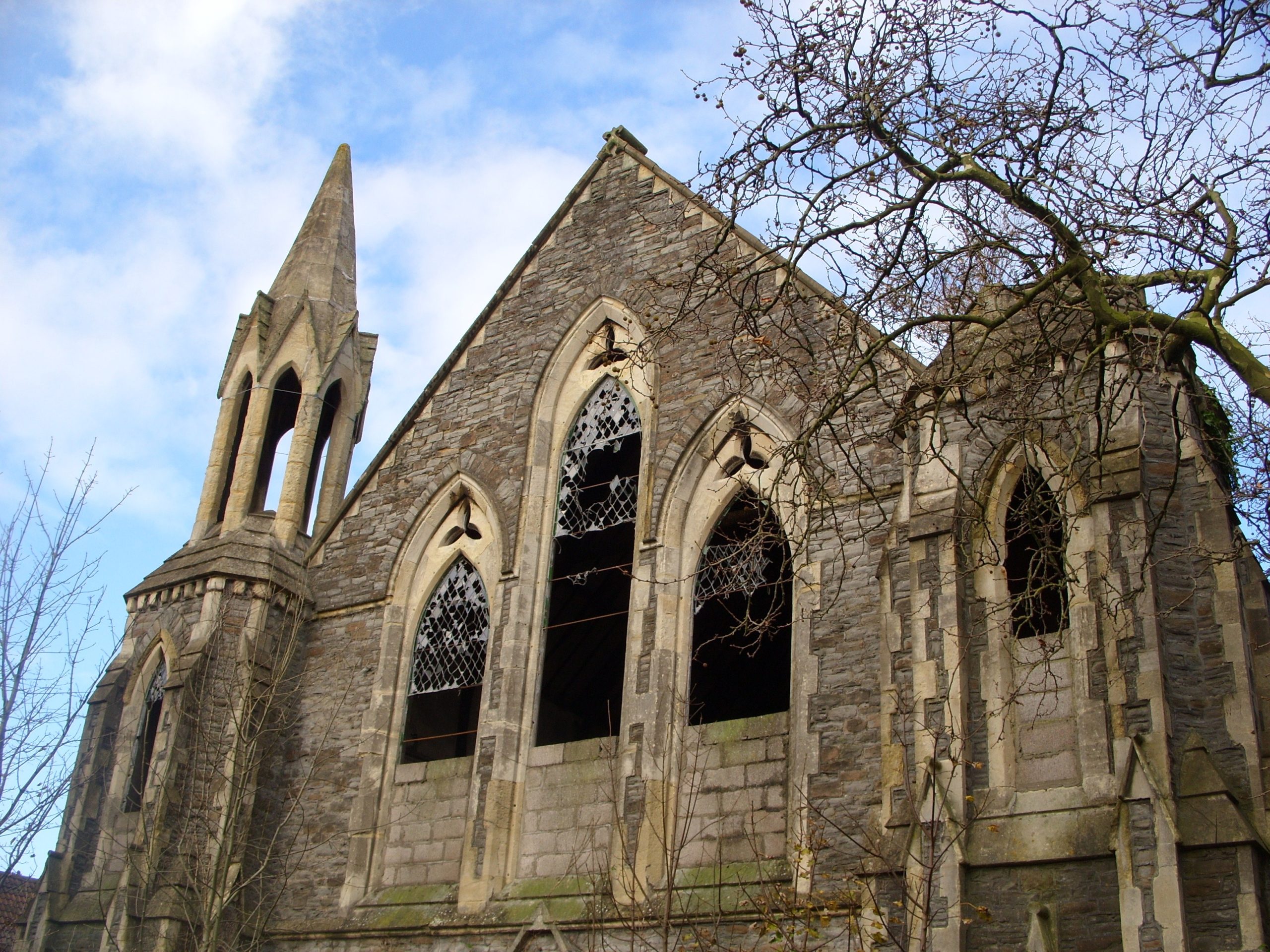
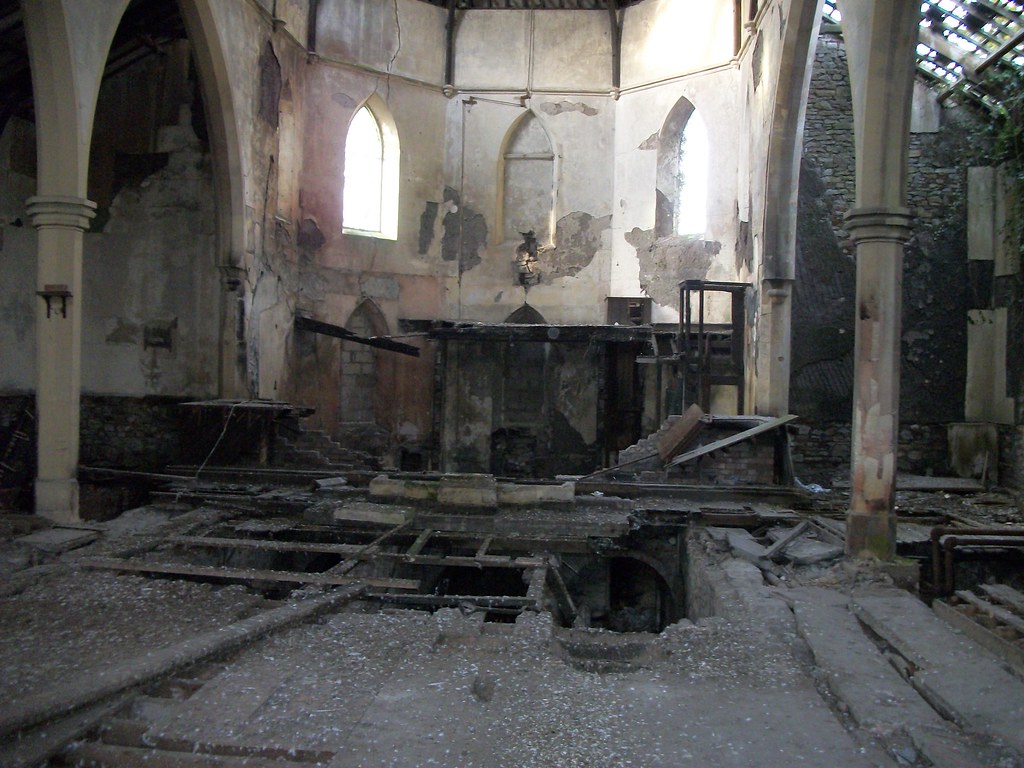
Lil’ Inspirations – The Unwanted Church

GALLERY

4438359761_cfdf9dcdc4_o

Image 1 of 139

THE UNWANTED CHURCH

HISTORY

Whitefield’s sometimes Whitfield’s Tabernacle is a former Calvinistic Methodist and Congregational (now United Reformed) church in Kingswood, a town on the eastern edge of Bristol where George Whitefield preached in the open air to coal miners. The name refers to two buildings in which the congregation met. The congregation originally met in the New Society Room which was built in 1741 for George Whitefield and John Cennick after a separation occurred between them and John Wesley. The former Society Room building was expanded to a large size in 1802, and is a Grade I listed building. It is now roofless and derelict after an arson attack. In 1851 a very large Gothic building, designed by Henry Masters, was constructed just west of the original tabernacle. Masters Church is Grade II listed. In 1983 this building was closed and the United Reformed Church congregation moved back into the original 18th-century building for a few years, before leaving both buildings to join together for worship with another congregation associated with the 18th-century revival, the Moravian Church, in the Moravian building on the other side of the High Street. The new unified congregation was named United Church Kingswood and continued to worship until it closed in January 2023.

In 2003 the Tabernacle featured in the first series of BBC’s Restoration programme. As of 2007, there were plans for the redevelopment of the three listed buildings on the Tabernacle site, namely the two churches and the 18th-century Chapel House. Besides various proposed memorial facilities, the plan included flats in the Chapel House and the 19th-century building. The Masters Church is now home to the Ellis Court apartments. The Tabernacle is owned by the Whitfield Tabernacle Trust, who acquired the building in January 2019. After years of disuse and dereliction following a fire in 2000, restoration work began on the tabernacle in 2021 with a view to turning it into a community arts centre following a £682,000 grant from Metro Mayor Dan Norris. In an interview with BBC News in October 2025, trust leaders stated that they hoped Whitfield’s can be restored by the end of 2026.

MUSIC

POEM

😀
0
😍
0
😢
0
😡
0
👍
0
👎
0

Lil’ Inspirations – Psycho Path

GALLERY

009

Image 1 of 125

NEGATIVE ASYLUM

HISTORY

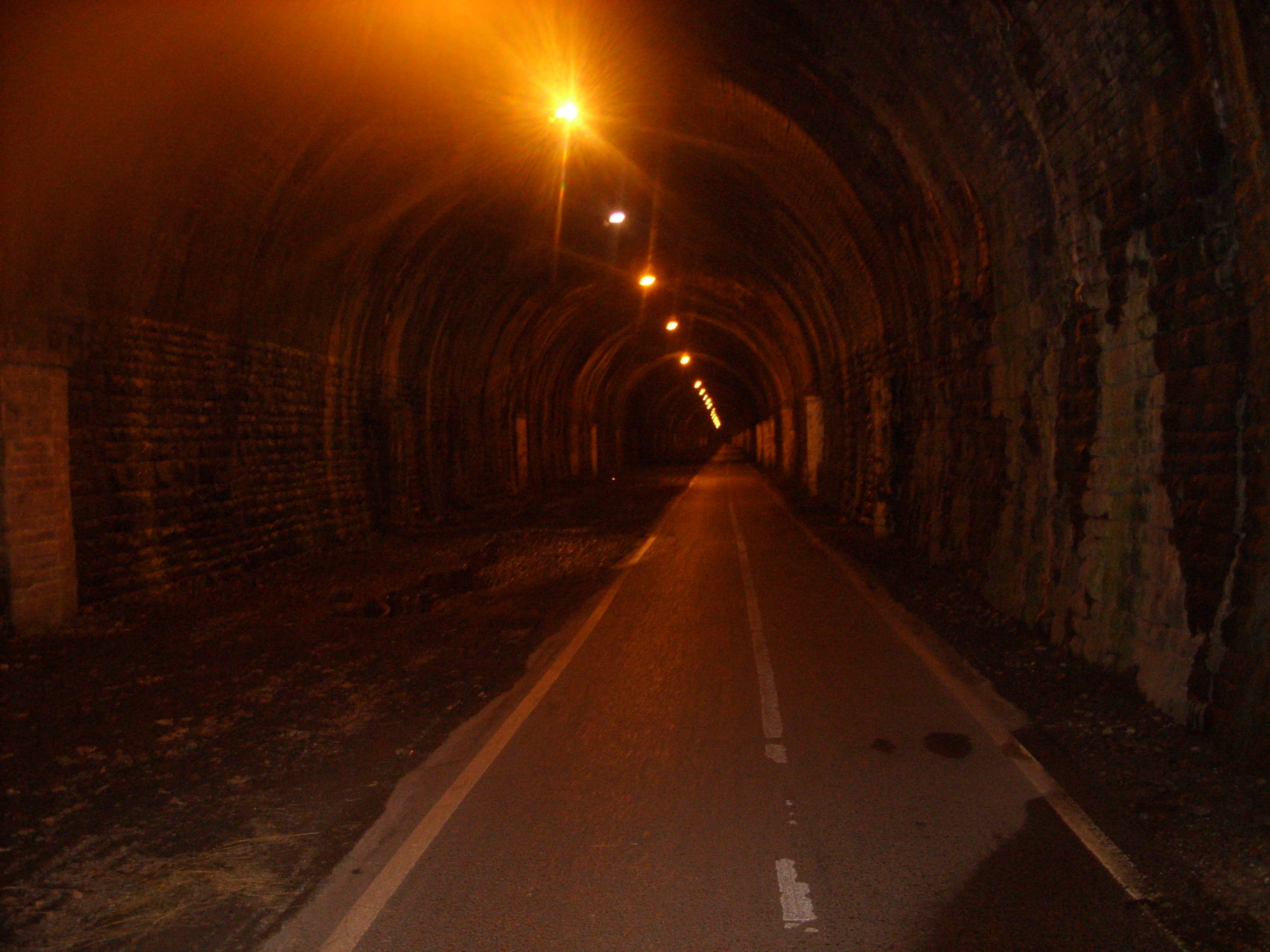
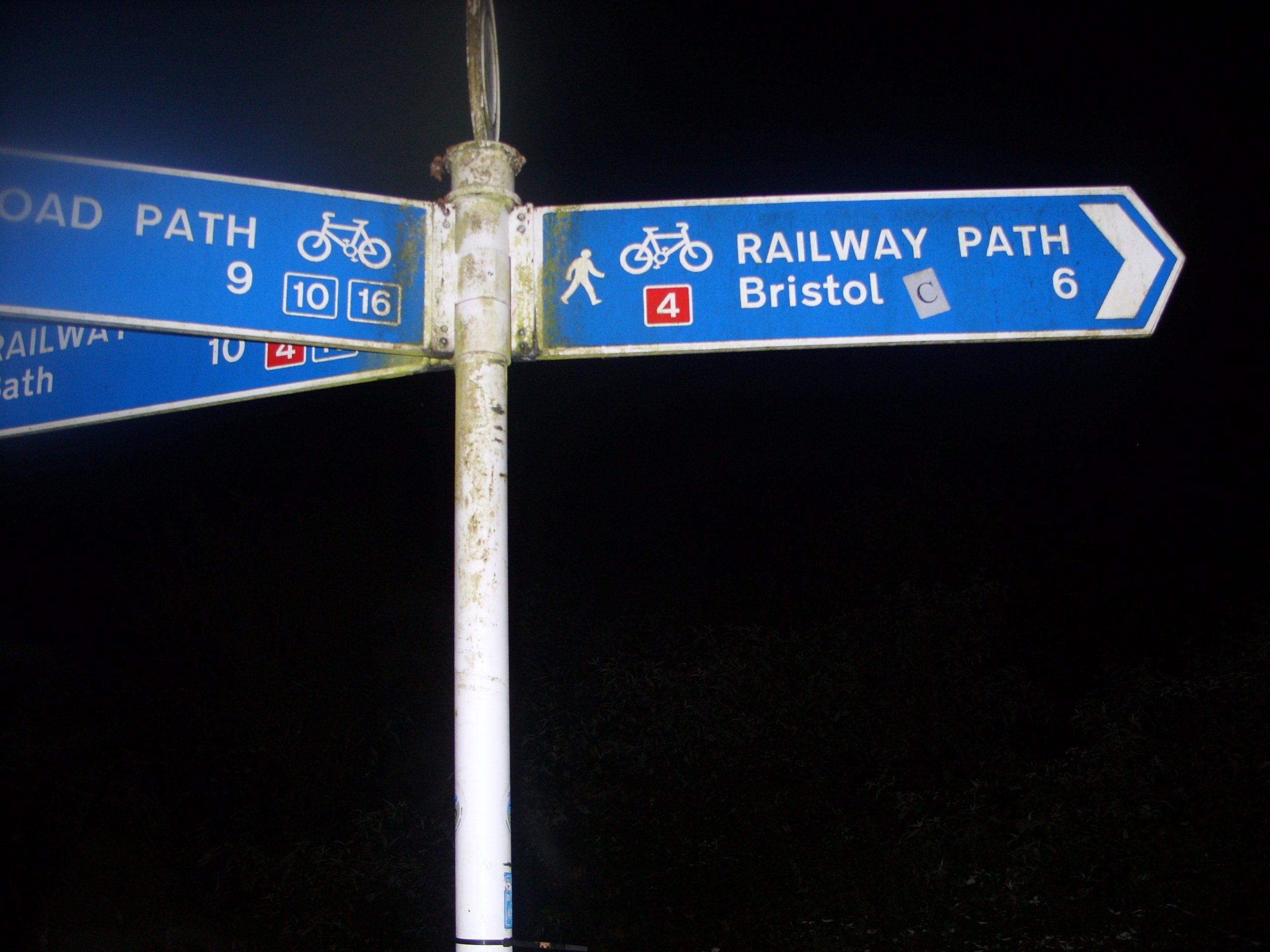
The Bristol and Bath Railway Path is a 13- to 15-mile traffic-free walking and cycling route forming part of National Cycle Route 4. Opening: The route originally opened in 1870 as a branch line of the Midland Railway (the Mangotsfield and Bath branch line) connecting Bristol and Bath. Closure: Passenger services ended in the mid-1960s under the Beeching cuts, though local freight services continued to operate into the early 1970s before the line was completely abandoned. Cyclebag: The idea to repurpose the corridor started with Cyclebag, a Bristol-based cycling advocacy group founded in 1977 to champion safe cycling infrastructure. Launch: Cyclebag officially launched the path project in 1978, recognizing that the disused railway line offered a rare opportunity to link two major cities without building a brand-new transport corridor. The Birth of Sustrans: The project became the foundational launchpad for the cycling charity Sustrans and the wider UK National Cycle Network.
Phase One (1979): Construction officially began in June 1979, with over 300 volunteers contributing roughly 800 days of labor to transform an initial leased 5-to-8-kilometre stretch near Saltford and Bitton into a narrow dust track. Full Opening: The route was gradually expanded, connected, and paved—with the full route officially opening on August 6, 1985 (coinciding with the 150th anniversary of the original railway), and final development work wrapping up by 1986. Surface Upgrades: What started as a narrow voluntary dirt/dust track was eventually widened to a 3-metre (10-foot) fully tarmacked surface from end to end. The path has grown into one of the UK’s most-used active travel corridors, carrying millions of commuter and leisure trips every year. Along the route, users pass notable historical and nature sites including the Staple Hill Tunnel, Mangotsfield Station, the Warmley Waiting Room cafe, the Avon Valley Railway, and the Royate Hill Nature Reserve.

MUSIC

POEM

😀
0
😍
0
😢
0
😡
0
👍
0
👎
0

Lil’ Inspirations – Negative Asylum

GALLERY

SS858384

Image 1 of 44

NEGATIVE ASYLUM

HISTORY

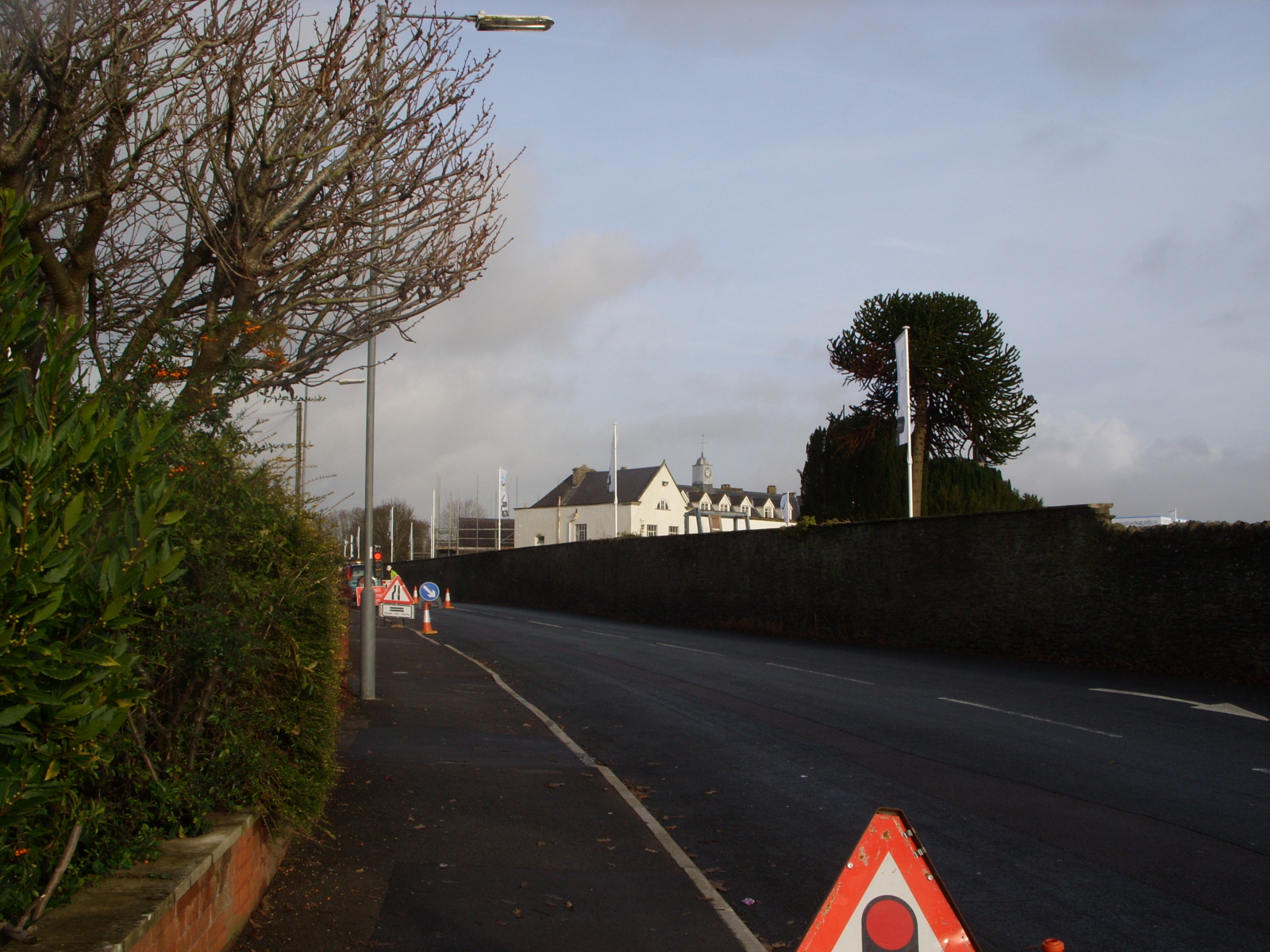
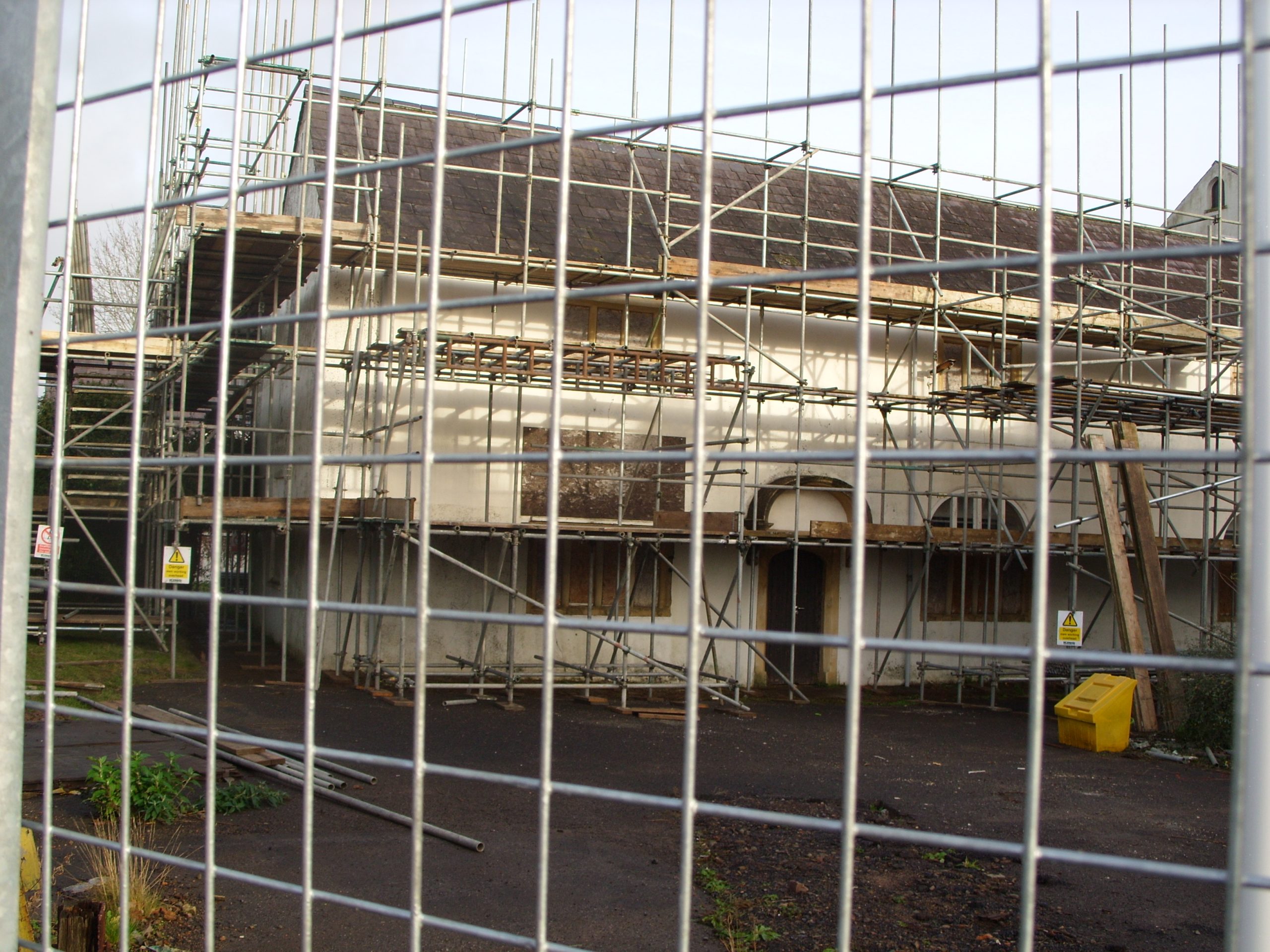
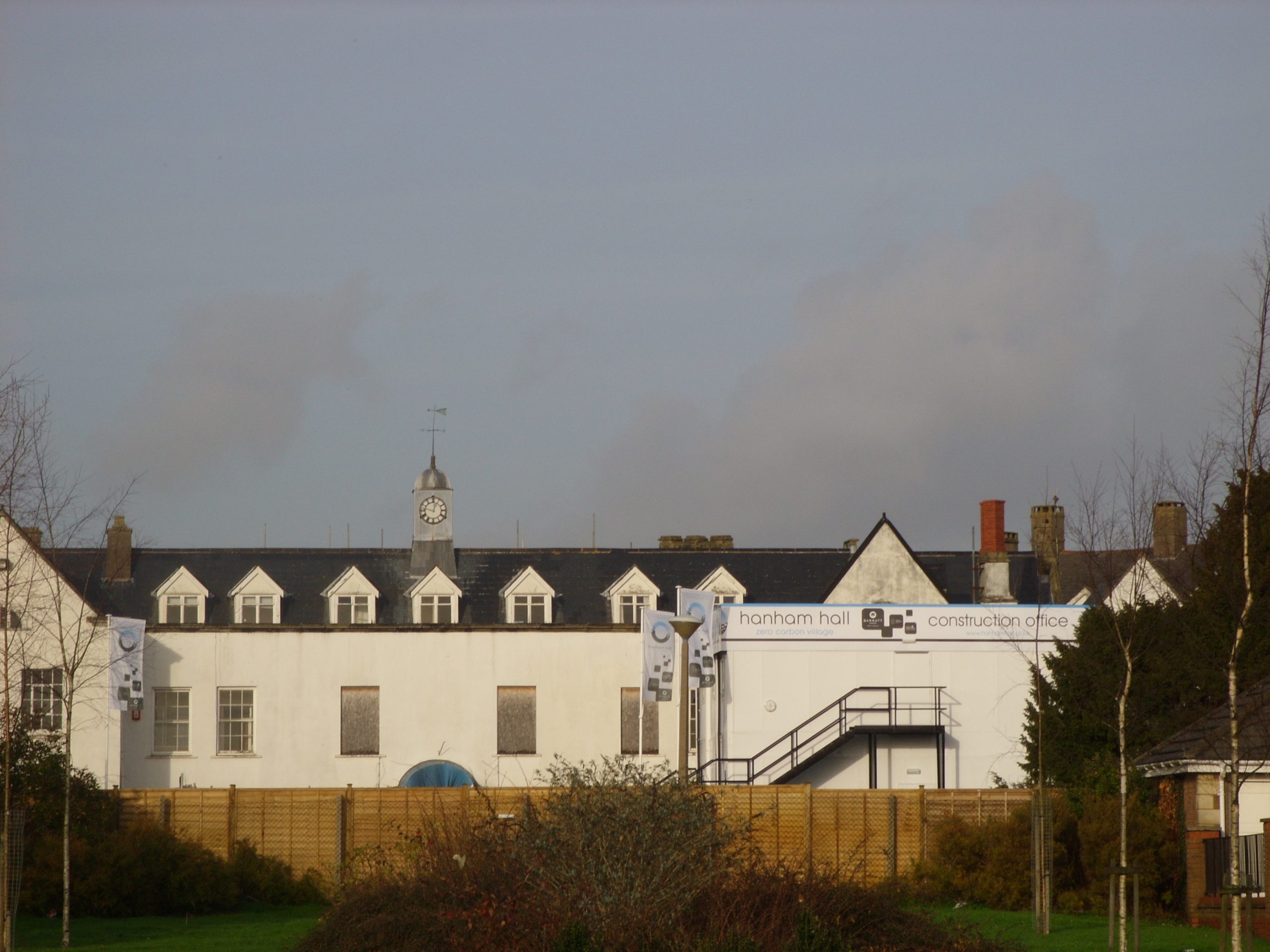
Hanham Hall is a multi-award-winning eco-housing development and historic estate located in South Gloucestershire, near Bristol, England. The Historic Hall: The core of the site is a Grade II listed* stone manor house originally built in 1655 by Richard Jones. Over the centuries, it transitioned through private ownership and later served as a learning disability institution (part of the Stoke Park Colony) under Reverend Harold Burden from 1917 onwards. Zero-Carbon Development: Developed by HTA Design, Barratt Homes, and Sovereign Housing Association (with support from Homes England), Hanham Hall is England’s first large-scale volume housebuilder scheme to achieve the 2016 zero-carbon standard. Housing & Scale: Completed around 2013, the 9-hectare site features 187 homes (a mix of private and affordable housing ranging from 1-bedroom apartments and coach houses to 5-bedroom family houses). Sustainability Features: Includes Kingspan TEK structural insulated panels (SIPs), roof-mounted photovoltaic solar panels, mechanical ventilation with heat recovery (MVHR) systems, shared-surface roads, and rainwater harvesting. Community Management: Communal spaces, open areas, and sustainable infrastructure are managed by the Hanham Hall Community Interest Company (CIC) alongside residents..

MUSIC

POEM

😀
0
😍
0
😢
0
😡
0
👍
0
👎
0

Lil’ Inspirations – Blaize At Twlight

GALLERY

063

Image 1 of 94

BLAIZE AT TWLIGHT

HISTORY

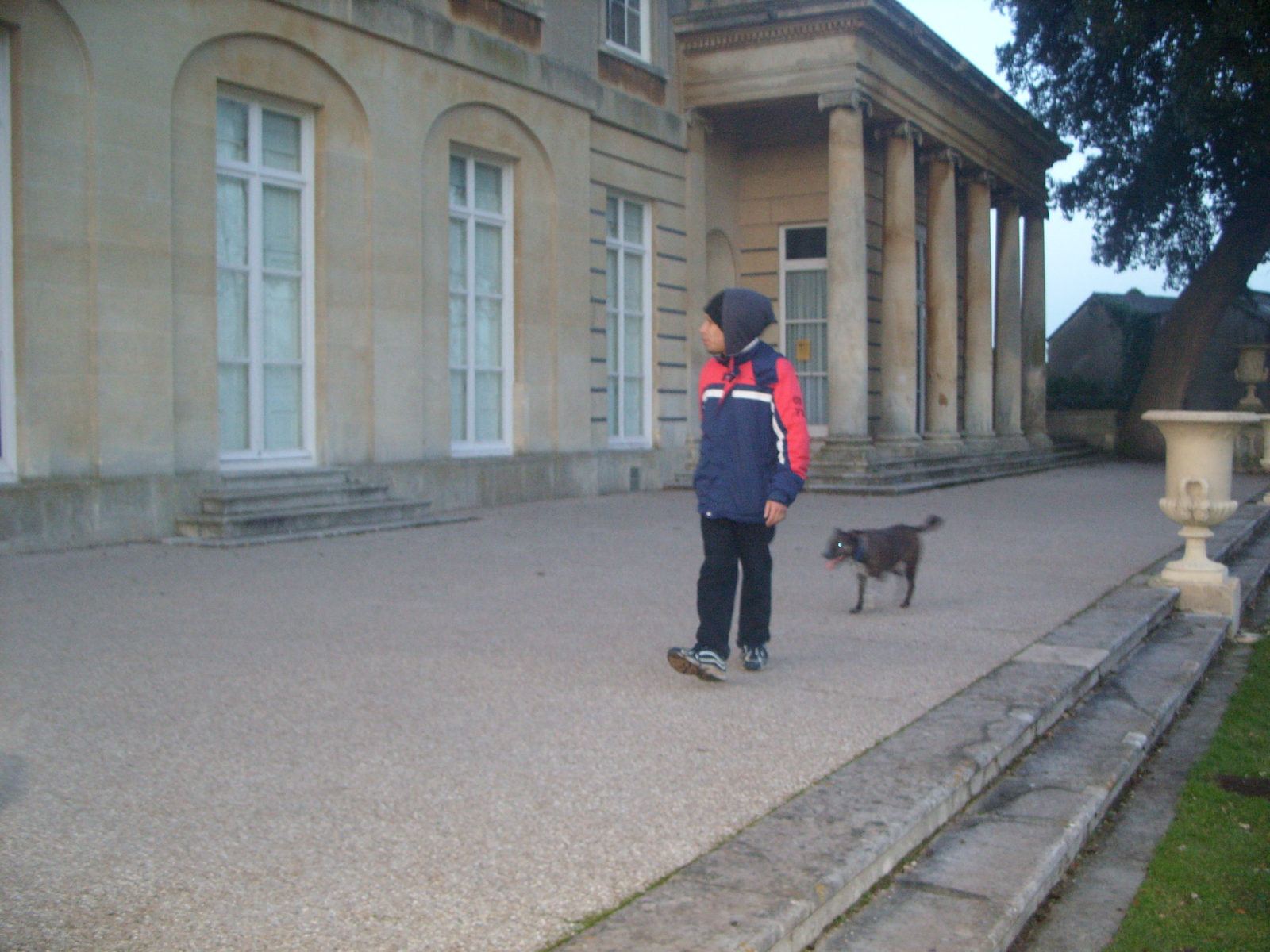
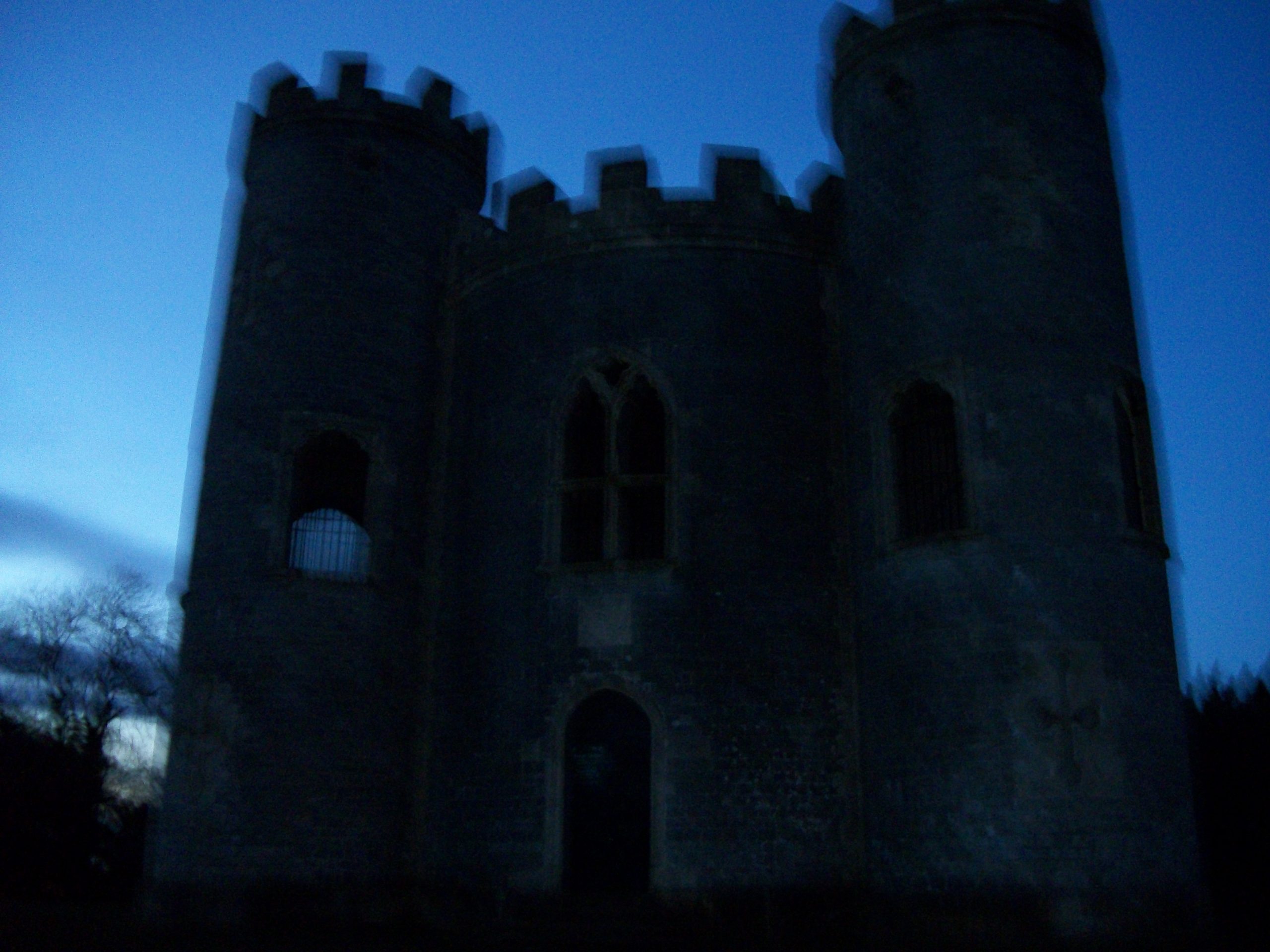
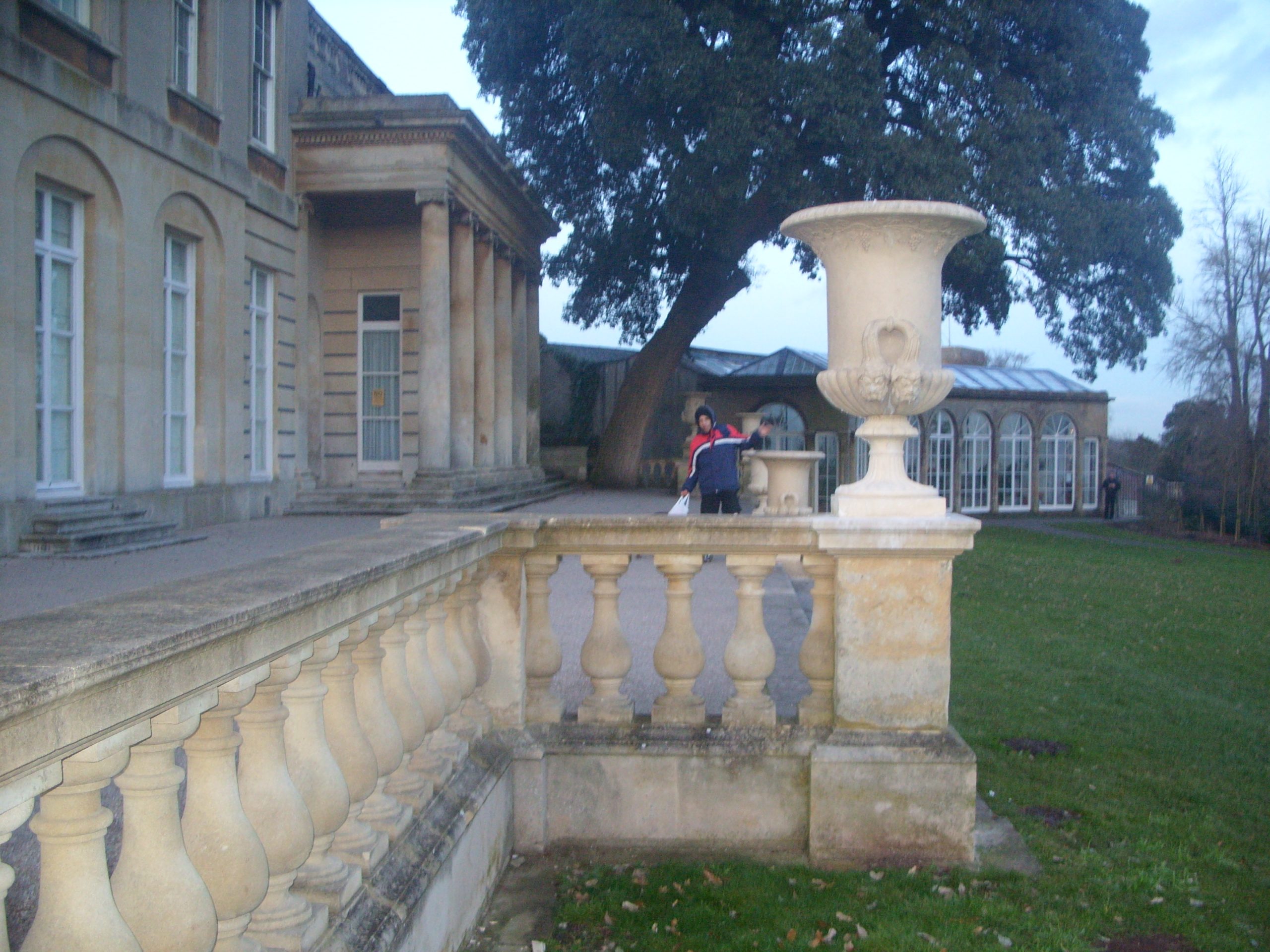
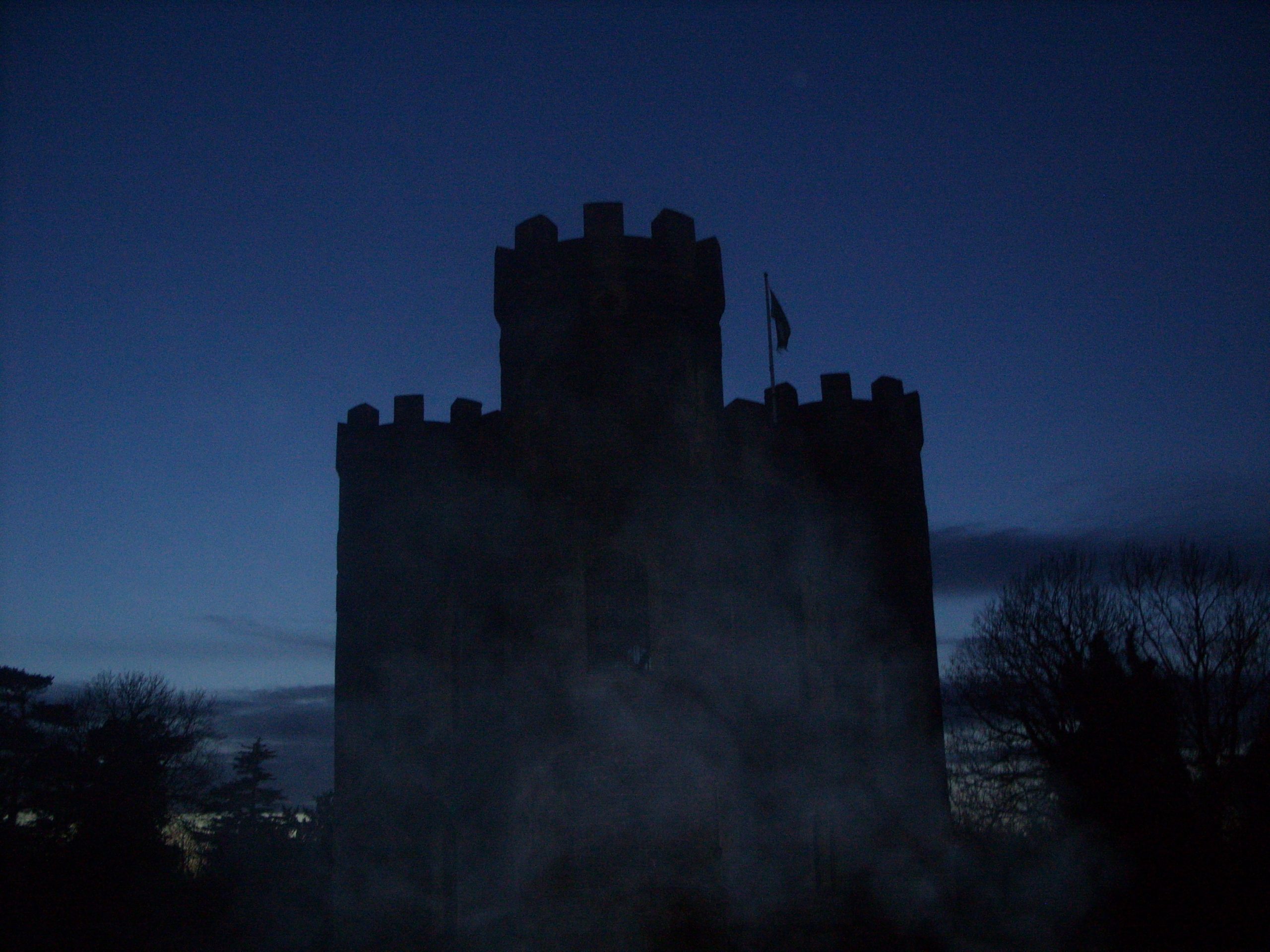
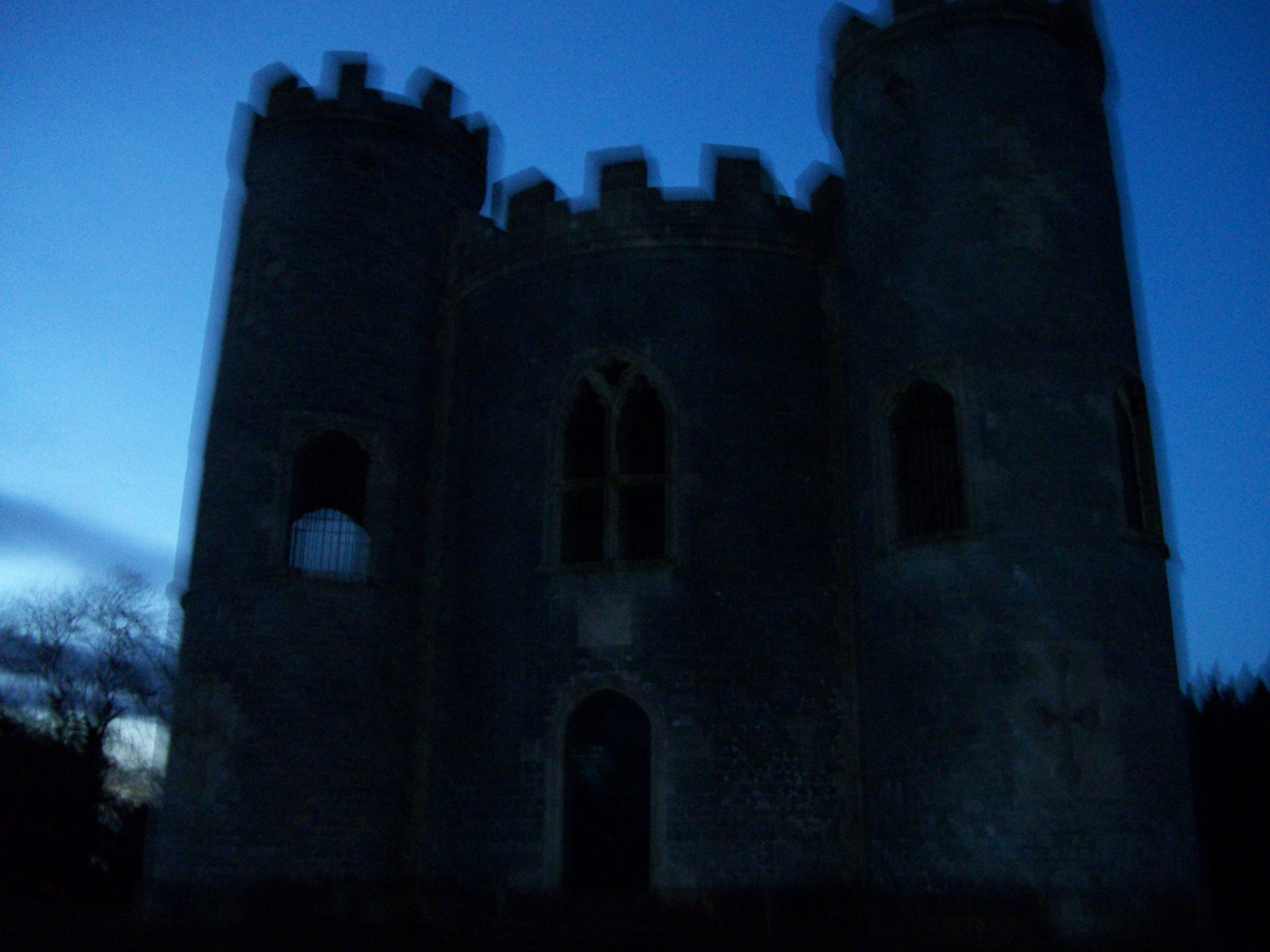
Blaise Castle Estate is a public park near Henbury in Bristol, England. The estate includes Blaise Castle House, a Grade II* listed 18th-century mansion house; Blaise Castle, a Grade II* listed folly built in 1766; and other listed ancillary buildings including an orangery and dairy. Along with Blaise Hamlet, a group of nine small cottages around a green built in 1811 for retired employees, and various subsidiary buildings, the parkland is listed Grade II* on the Register of Historic Parks and Gardens. The site has signs of occupation during the Neolithic, Bronze Age, Iron Age and Roman periods. After the Dissolution of the Monasteries the site was sold. In 1766 Thomas Farr commissioned Robert Mylne to build the sham castle in Gothic Revival style. After Farr’s bankruptcy, the estate was sold several times until purchased by John Scandrett Harford, who demolished the previous dwelling in 1789 and built the Neoclassical Blaise Castle House. His son, also named John Scandrett Harford, continued with the development of the buildings and estate, which his family occupied until 1926. The park was laid out by Humphry Repton in the early 19th century

The estate is now owned by Bristol City Council. The house is run as a museum by the Bristol City Museum and Art Gallery and holds a variety of collections. The Picture Room, added in the 1830s, is hung with paintings, mostly of the 19th century. There are selections on display from Bristol Museum’s 10,000 items of historic costume, and of toys from the 18th century to the 1980s. Flint fragments show Blaise Castle Estate was probably first inhabited by Neolithic farmers. There is more definitive evidence for Bronze Age, Iron Age and Roman activity through the distinctive hill-forts in the area and other archaeological finds. The value of this historic landscape was recognized when it became a scheduled monument in 1982. The land was granted to the Bishop of Worcester as part of the Kingdom of Mercia before the Norman conquest. During this time, when it was the property of the church, the estate had a chapel dedicated to Saint Blaise, which has given the estate its name. Following the Dissolution of the Monasteries, the estate was granted to Ralph Sadler who let it to tenants until 1675. A large part of the estate was bought by Sir Samuel Astry of Henbury.

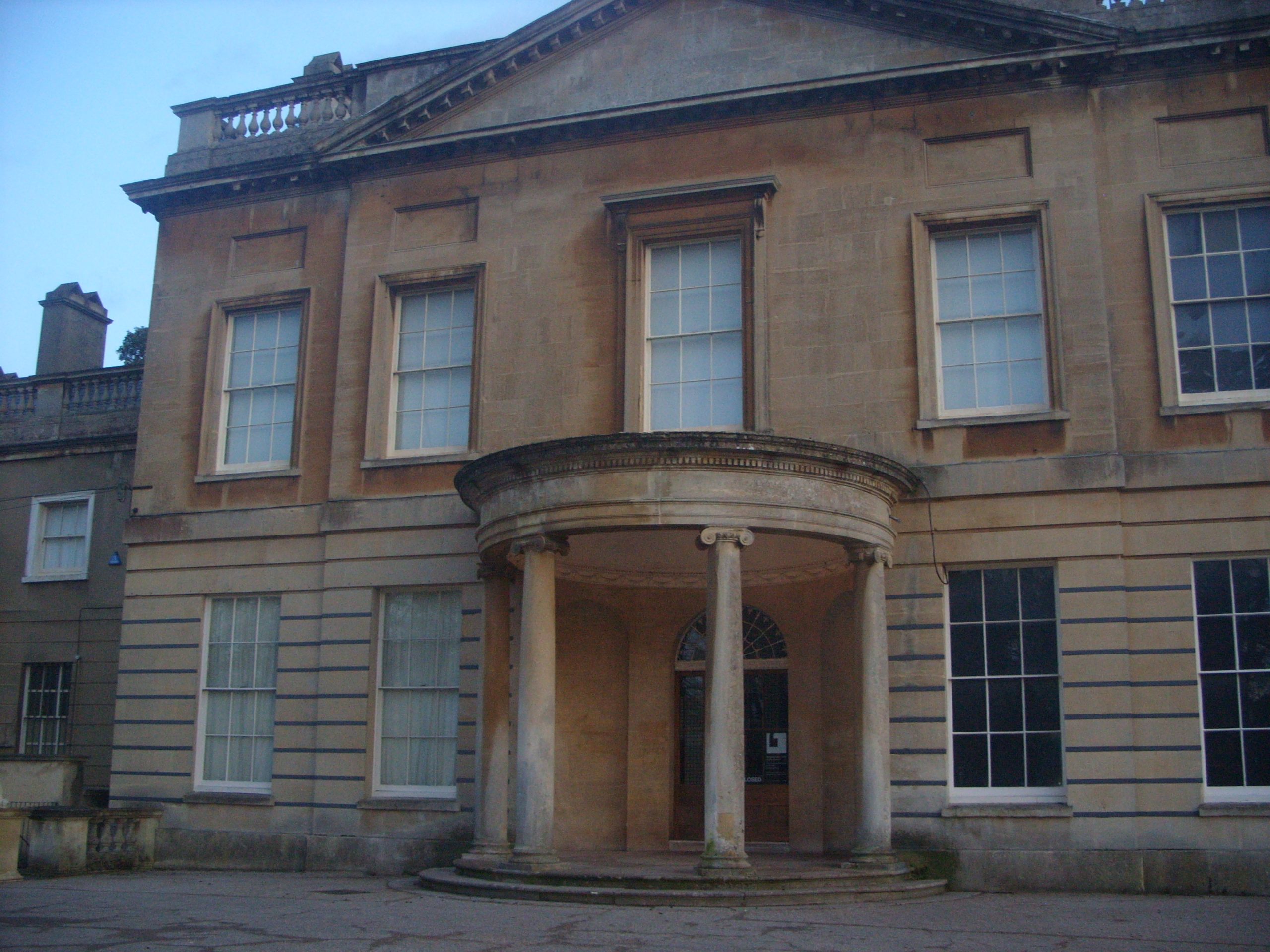
In the later 18th century, the estate was owned by a sugar merchant and investor in the Atlantic slave trade, Thomas Farr, who bought it from Astry’s descendants in 1762; he built the sham castle.[12] Farr went bankrupt when ships he owned were blockaded during the American Revolutionary War, and the estate was bought in 1778 by Denham Skeate, a lawyer from Bath. Eleven years later he sold it to John Harford, a wealthy Bristol merchant and banker, who demolished the old house in 1789 and had the present two-storey Neoclassical Blaise Castle House built in 1796–1798, designed by William Paty. It is a square stone block with adjoining domestic offices which are faced with stucco. The north west entrance front has five bays with a central semicircular projecting porch with Ionic columns. It is a Grade II* listed building, though described by Simon Jenkins as “solid, simple and unexciting”. John Nash added a connected conservatory or orangery around 1805 or 1806, and in 1832–1833, Charles Robert Cockerell designed the Picture Room for Harford’s son, John Scandrett Harford, who had inherited the estate after his father’s death in 1812. The Picture Room extends into a portico which has six Ionic columns. This now houses a display of paintings from the Bristol City Museum and Art Gallery. The hall has bas-relief medallions by Bertel Thorvaldsen. The elder Harford also had Blaise Hamlet built to house his servants and tenants, to designs of Nash and George Repton, in 1811. The estate was sold to Bristol City Council in 1926, to preserve it from development. During World War II the house was occupied by the armed forces. A branch of the Bristol City Museum and Art Gallery since 1949, Blaise Castle House now features collections relating to household items in addition to its period interior decoration. Galleries have displays of historic domestic equipment used for lighting, cooking, cleaning, washing, including a display of toilets.

MUSIC

POEM

😀
0
😍
0
😢
0
😡
0
👍
0
👎
0

Lil’ Inspirations – Coal Tunnel

COAL TUNNEL

HISTORY

Parkfield Colliery was a coal mine near Pucklechurch, South Gloucestershire, England. It was sunk in 1851 under the ownership of Handel Cossham. Coal was reached in 1853. The shaft was 840 ft (260 m) deep, but only the upper series of coal veins were worked. These were the Hard, the Top, the Hollybush and Great veins. The quality of the coal mined was extremely good, and was used for gas manufacture and house coal. Handel Cossham died in 1890 and the pit was put up for sale. (Along with other pits he owned at Deep Pit, South Pit and Speedwell.) It was purchased by Bristol United Collieries, owners of Dean Lane, Easton, Hanham, Pennywell Road and Whitehall collieries. They formed a new company to manage their assets called The Bedminster, Easton, Kingswood and Parkfield Collieries Ltd. A survey of Parkfield Colliery at the time of sale noted that it had two horizontal direct-acting steam winding engines each with 28 in (71 cm) cylinders, a 4 ft (1.2 m) stroke and a drum 15 ft (4.6 m) in diameter. These had been made by Teague & Chew of Cinderford in the Forest of Dean. There were two 38 ft (12 m) high headgears, each with two pulley wheels of 15 ft (4.6 m) diameter. Steam was provided by four Lancashire boilers which measured 27 by 7 ft (8.2 by 2.1 m). A ventilating fan measured 18 by 7 ft (5.5 by 2.1 m) and was driven by a pair of horizontal engines which had 14 in (36 cm) cylinders and a 16 in (41 cm) stroke. 

A Cornish pumping engine had a 54 in (1.4 m) cylinder and a 7 ft (2.1 m) stroke and was powered by two Lancashire boilers. The pit had an endless haulage system comprising a beam engine and two galvanized ropes, each 990 ft (300 m) in length. Underground there were three engines for haulage, 5,250 ft (1.60 km) of single T-headed rails, 4,350 ft (1,330 m) of bridge rails and 5,400 ft (1,600 m) of tram bridge rails. The 1896 List of Mines worked under the Coal Mines Regulation Act states that the colliery employed 292 people underground, and 49 on the surface. The manager was J. T. Onions and the under-manager was John Bullough. In 1914 Parkfield was bought by Sir Frank Beauchamp, owner of a number of collieries in the Radstock area, and another company, the East Bristol Collieries Ltd. was formed. By 1936 flooding was becoming problematic and, combined with increasing pumping costs and decreasing coal reserves, the pit became uneconomic. It closed on 15 August of that year. Brandy Bottom Colliery, which used steam-powered machinery in the 19th century, has been scheduled as an ancient monument.

MUSIC

POEM

😀
0
😍
0
😢
0
😡
0
👍
0
👎
0

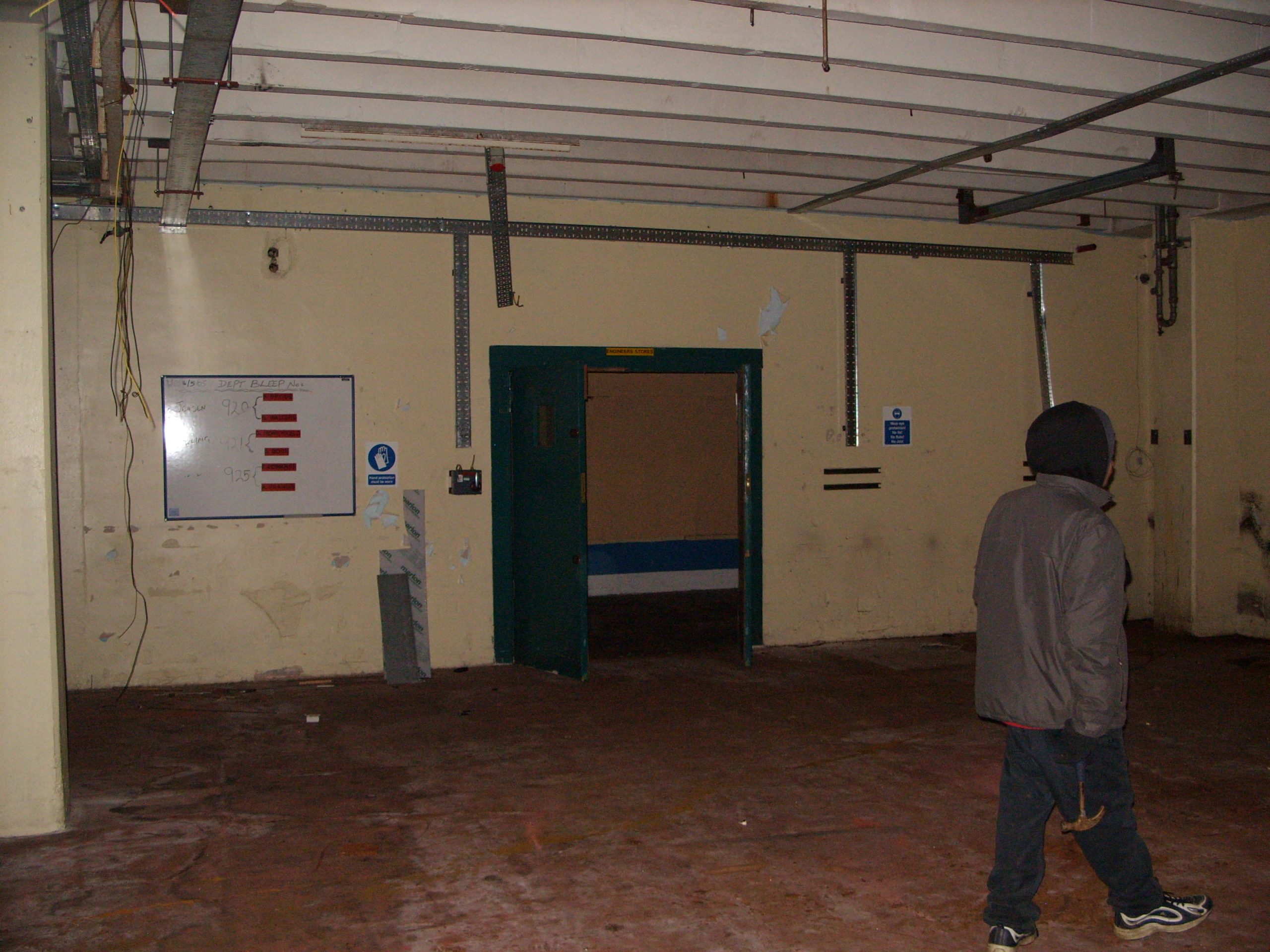
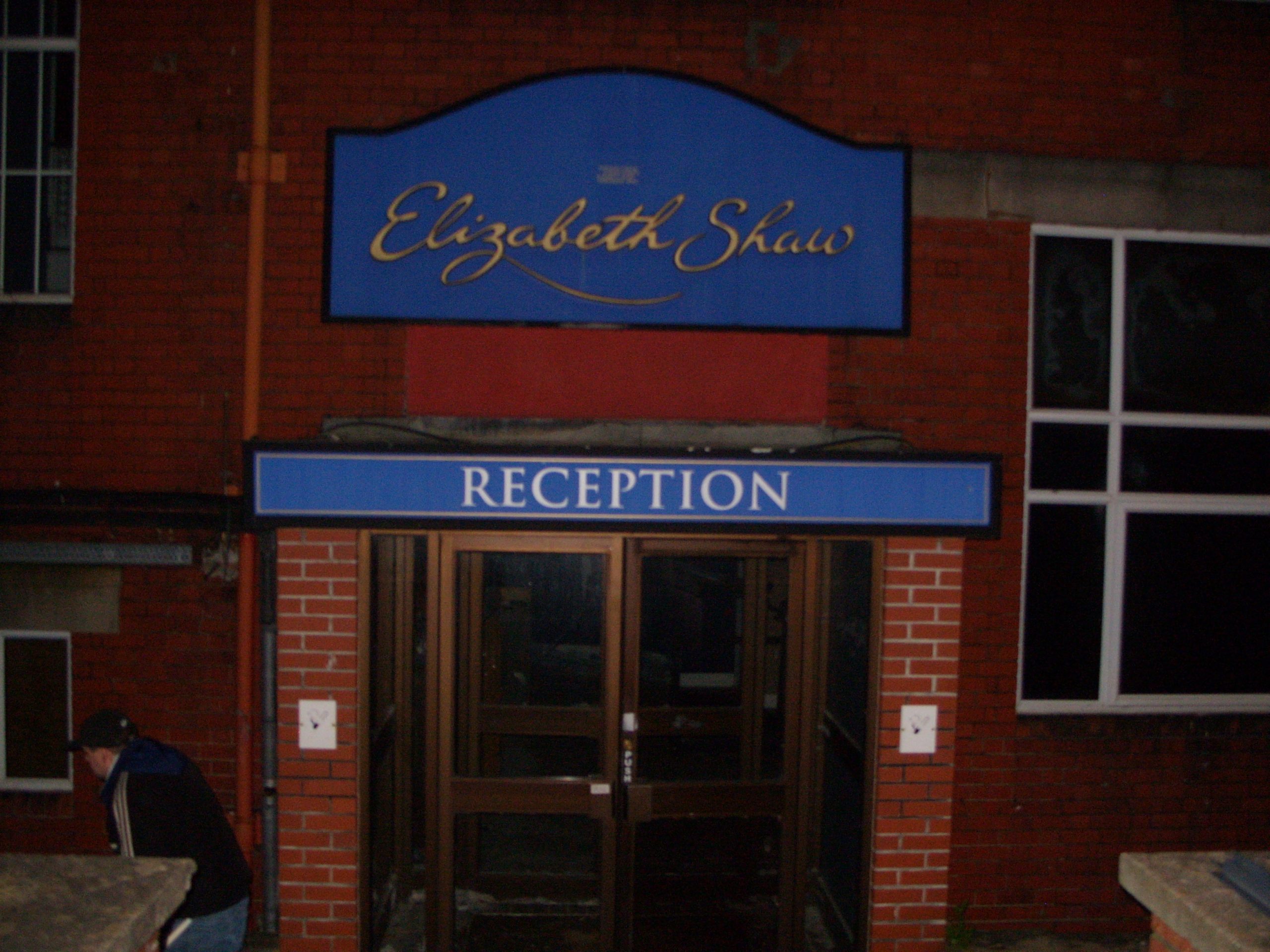
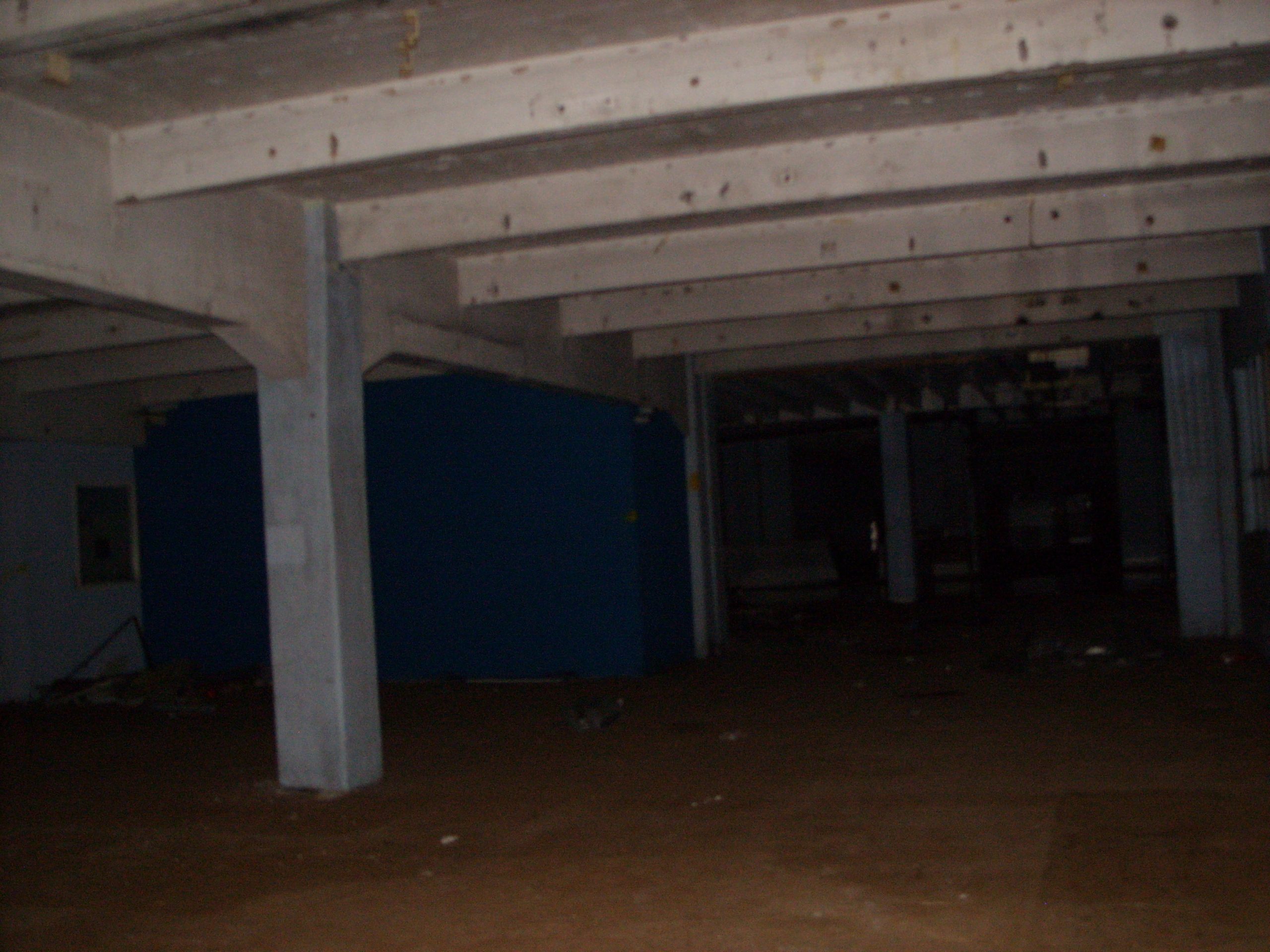
Lil’ Inspirations – Orange Footsteps

ORANGE FOOTSTEPS

HISTORY

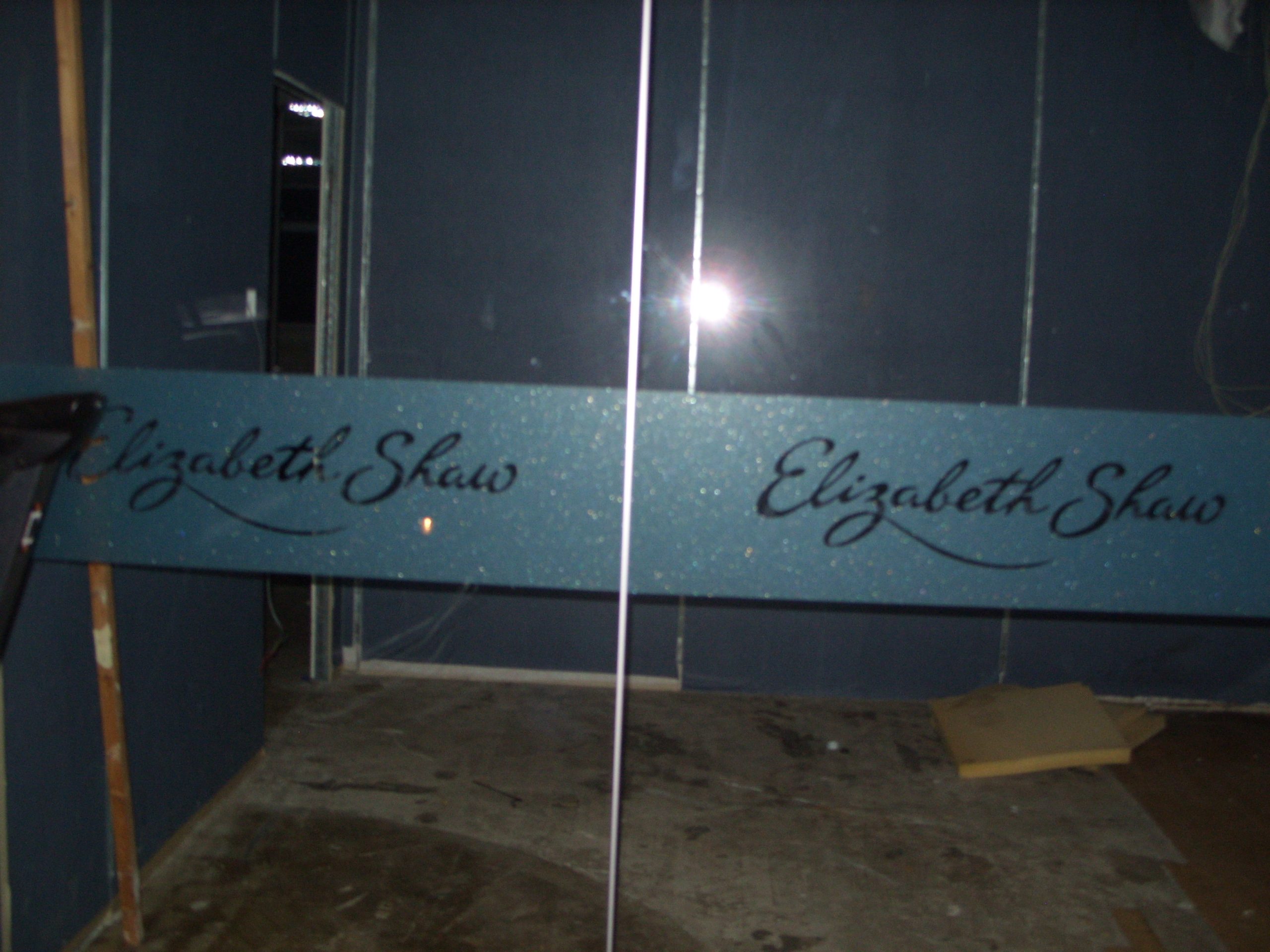
Elizabeth Shaw Ltd is a Bristol-based company owned by Colian Holding that markets chocolate-based confectionery, including the brands Famous Names liqueur chocolates and Elizabeth Shaw Mint chocolates. The modern company was formed from several mergers of well established confectionery companies, first by J A & P Holland and then by James Goldsmith in the 1960s as part of his creation of his food conglomerate Cavenham Foods. In 1810, the business was founded by Thomas Firth as Firth Confectioners and was Pontefract’s second liquorice factory, making Pontefract cakes. The business changed hands first to David Longstaffe, before coming under the partnership of Robert Ewbank and W. F. Horsell. The company moved to the larger Eagle Liquorice Works in 1887, but the partnership broke up in 1892 leaving Ewbanks solely in charge. The company became incorporated in 1912. The factory was damaged by incendiary bombs during World War II, with a replacement being opened in 1948. The business was purchased by Hollands of Southport in January 1961 for £72,600. The Eagle Liquorice Works were closed in 1965 after becoming part of Cavenham Confectionery.

Israel Edward Woolf established Yeatman & Co from 119 New Bond Street, Stepney in 1857 selling Yeast powder, later opening a factory in Denmark Street and by 1884 they had diversified into Baking Powders; different flours; Callsayme Bitters; Lime-juice Cordial; Custard Powder; Egg Powders; Curry Powder; Flavouring Essences; Disinfecting Powder and Insect Powder. In 1899, Nursing Record & Hospital World stated that Yeatman’s ginger marmalade and coffee extract tasted more of coffee than rivals’ products. In 1898 the company was incorporated and had added further products to its range including soups, jams, jellies and sweets. Yeatman’s Delicious Jelly Tablets were exported to Australasia, and the company produced the first sweets for Marks & Spencer. Their factories in Stepney were destroyed by fire during the Blitz, and with government assistance, Yeatman’s opened a new factory in Watford, where they made a more restricted line of canned and bottled fruit, fruit squashes, sweets (under the Goodies and Selesta brands), and their best-remembered product, Sunny Spread. The business was sold to James Goldsmith’s newly acquired business Carsons Ltd in 1964, and subsequently integrated into his Cavenham Foods business, with production being transferred and the factory being sold to Goldsmith’s former company, Mothercare.

Elizabeth Joice and her husband Patrick, started a cottage confectionery business making honeycomb mint-flavoured crisps in 1937, named after Elizabeth and taking Shaw from her former employer Page & Shaw. They were soon marketed as Mint Crisps and by 1939 a new factory in Brentford was opened called Mint House. The business continued to grow offering new products including Mint Creams. However the business was damaged by fire in 1953, and the Joice’s had to sell the company and production was moved to a factory in Camberley. However the new factory also fell to a devastating fire in 1968, and the business was purchased by Cavenham Foods and production moved to Greenbank.

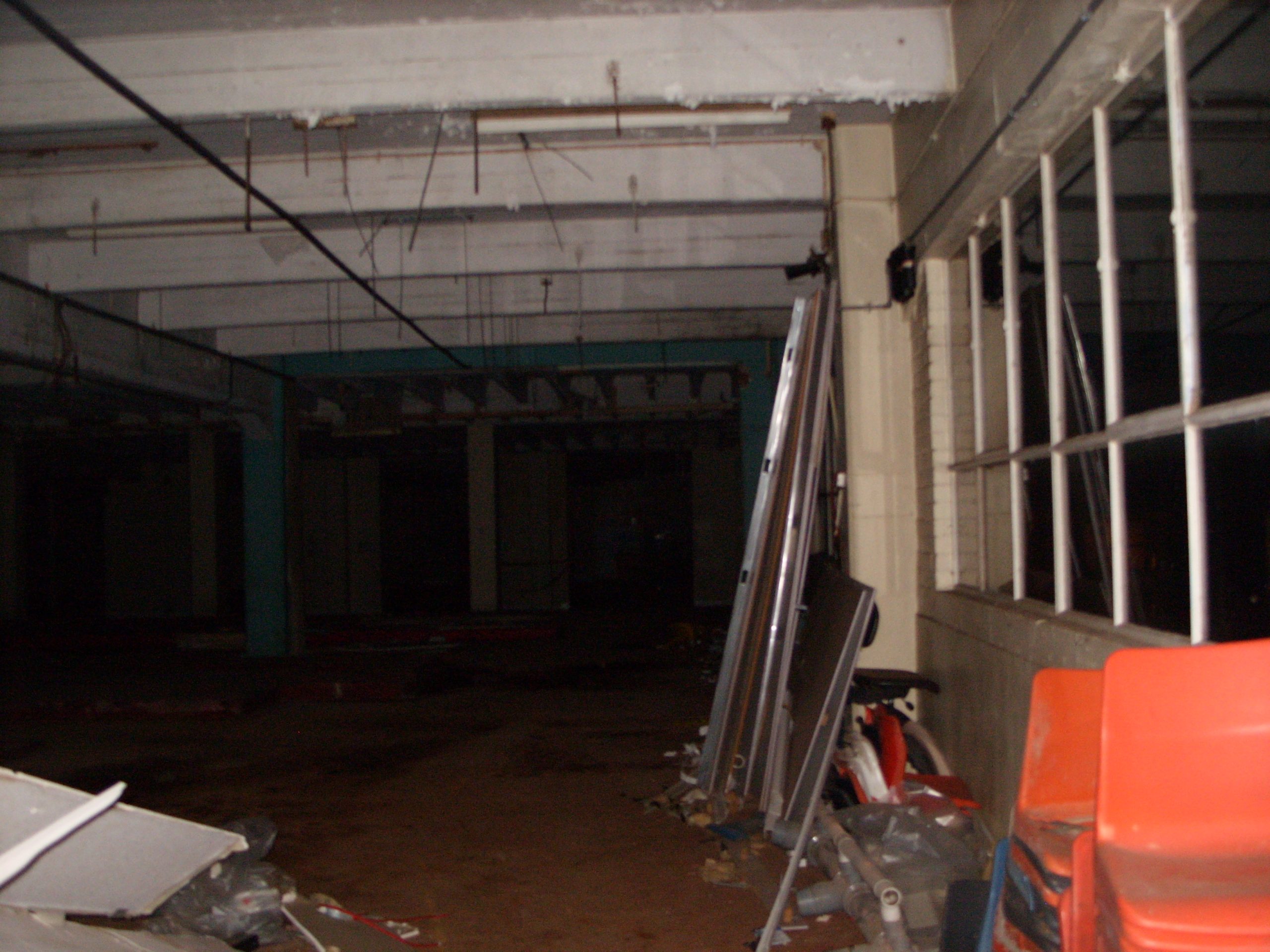
The business at the time of its purchase by the management team had 44% of the UK’s chocolate liqueurs market and 50% of the chocolate mint trade. The business was purchased by conglomerate Imperial Group in 1985 but was again purchased by its management in 1988, after divestment of business by new owners Hanson Trust plc, and they renamed the business Elizabeth Shaw Ltd with the Famous Brands name dropped. The business was again sold in 1990 to Finnish confectionery business Leaf. In March 2006 Elizabeth Shaw’s chocolate business was purchased by Nói Síríus, the largest confectionery manufacturer in Iceland. In 2006, faced with the high costs associated with the 330,000 sq feet building, the company relocated its manufacturing to factories in the UK and in mainland Europe, and closed the then 105-year-old factory. The business was subsequently purchased by a Norwegian company, Imagine Capital in 2009. In 2016, Colian Holding, Poland’s largest confectionery manufacturer, acquired Elizabeth Shaw from Imagine Capital. Elizabeth Shaw office alongside the factory in 2004. After the factory closed in 2006 successfully argued against the initial developer’s plan for redevelopment of into flats and houses. The building, in the eyes of local residents, represented part of the industrial heritage of Bristol. The opposition to this redevelopment was supported by George Ferguson, whose vision had earlier turned a defunct tobacco factory in Bedminster into one of Bristol’s leading artistic and creative venues, called the Tobacco Factory. However, as of 2012, the building was still standing empty, following the failure of all the parties involved in the plan to deliver a second, acceptable and workable solution for the future use of the building and site. More information is held on an archived community group website for the chocolate factory. By late 2013 the building had reverted to the Clydesdale Bank and developments were being planned by the Generator Group. In August 2014, Generator South West submitted a plan for open spaces around a development of flats and housing.


As of 2016 there had been many problems surrounding the development of this site, namely that developers Generator South West “have asked to be excused from the legal obligation that between 30 and 40 per cent of any development be social housing, on the basis that the extra costs of restoring old, historic buildings makes the plan economically unviable. Community action group ACORN were one of the groups campaigning against this back-tracking on the provision of social housing due to the continuing housing crisis in Bristol and severe lack of social or affordable housing being built. Developers Generator Group worked with Bristol City Council to ensure that 36 shared ownership homes were created alongside the private housing. The first homes to be built for occupation in 2021 were shared ownership.[54] Information about the plan for the 1950s factory block that remains undeveloped, can be found by searching the documents on the city council planning archiv. Records of Elizabeth Shaw Limited, primarily relating to the Greenbank factory, are held at Bristol Archives. The collection also includes some records of HJ Packers, Carsons Ltd, Cavenham Confectionery Ltd, United Biscuits, Hollands Toffees, and Huhtamäki amongst others which are linked with Elizabeth Shaw Limited.

MUSIC

POEM

😀
0
😍
0
😢
0
😡
0
👍
0
👎
0

Lil’ Inspirations – Snowbat

😀
0
😍
0
😢
0
😡
0
👍
0
👎
0