Inspirations

Lil’ Inspirations – Below The Surface

😀
0
😍
0
😢
0
😡
0
👍
0
👎
0

Lil’ Inspirations – Max

😀
0
😍
0
😢
0
😡
0
👍
0
👎
0

Lil’ Inspirations – Pandemic

😀
0
😍
0
😢
0
😡
0
👍
0
👎
0

Lil’ Inspirations – Washed Up

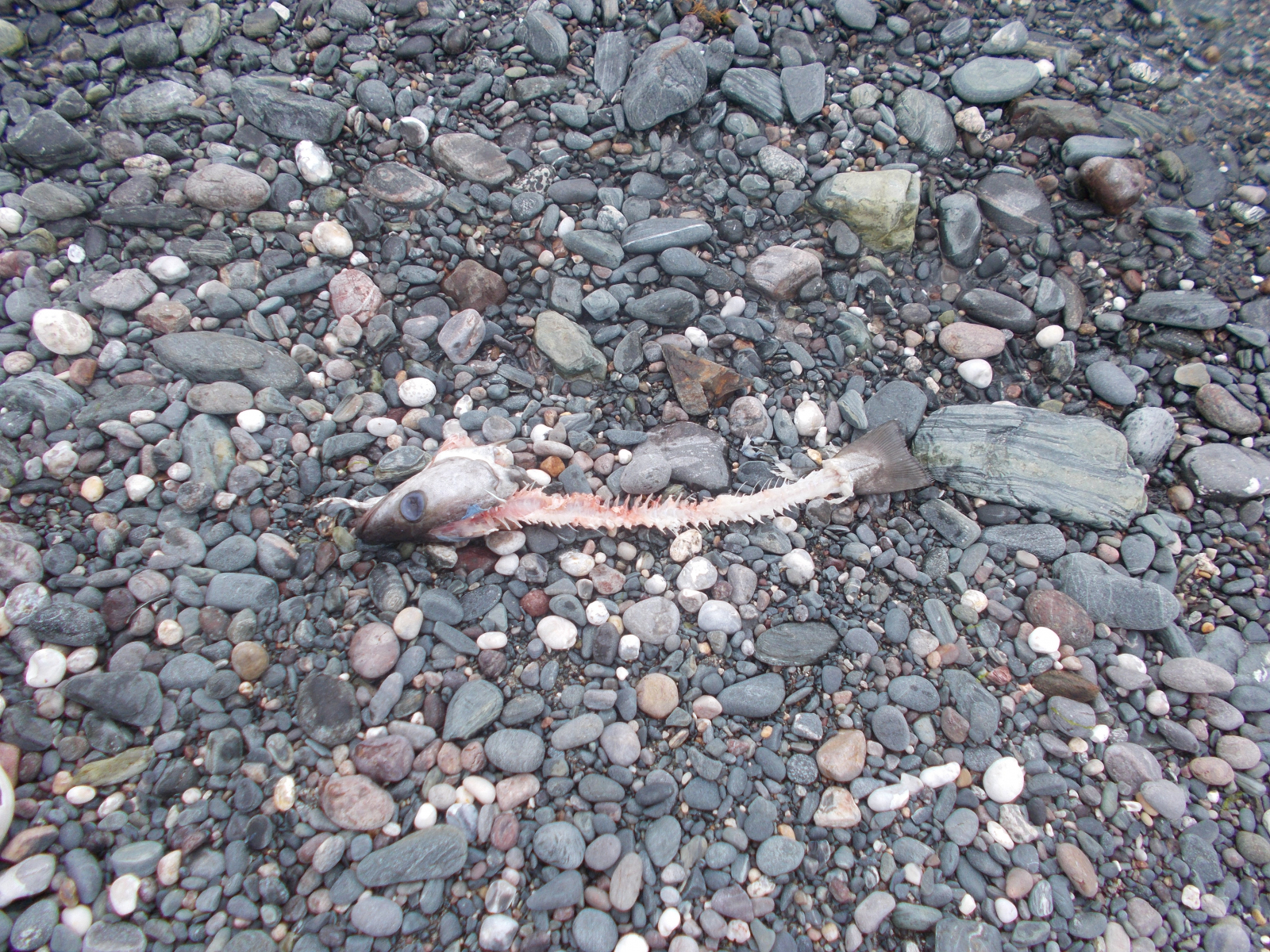
WASHED UP

GALLERY

DSCN1839

Image 1 of 23

HISTORY

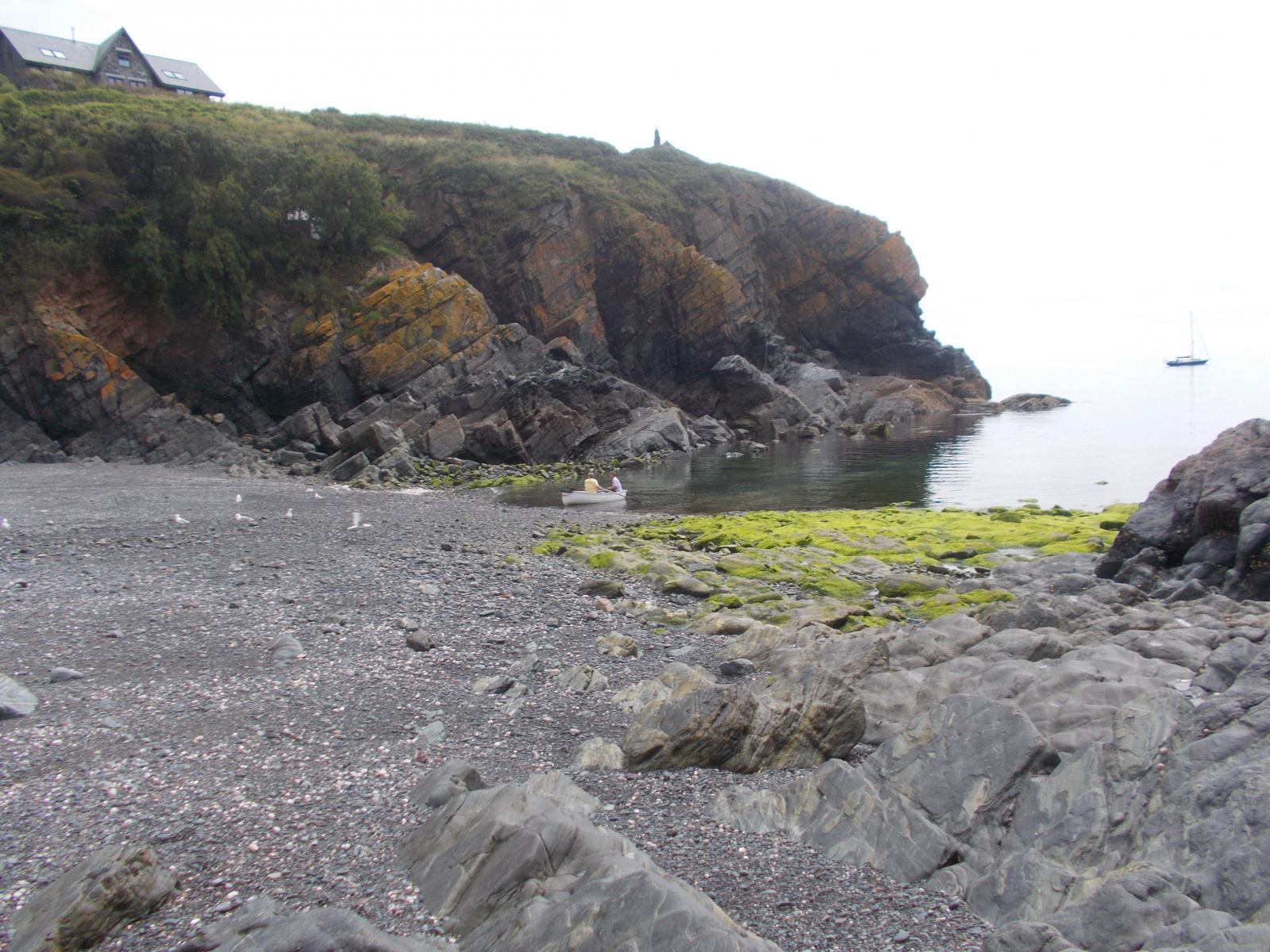
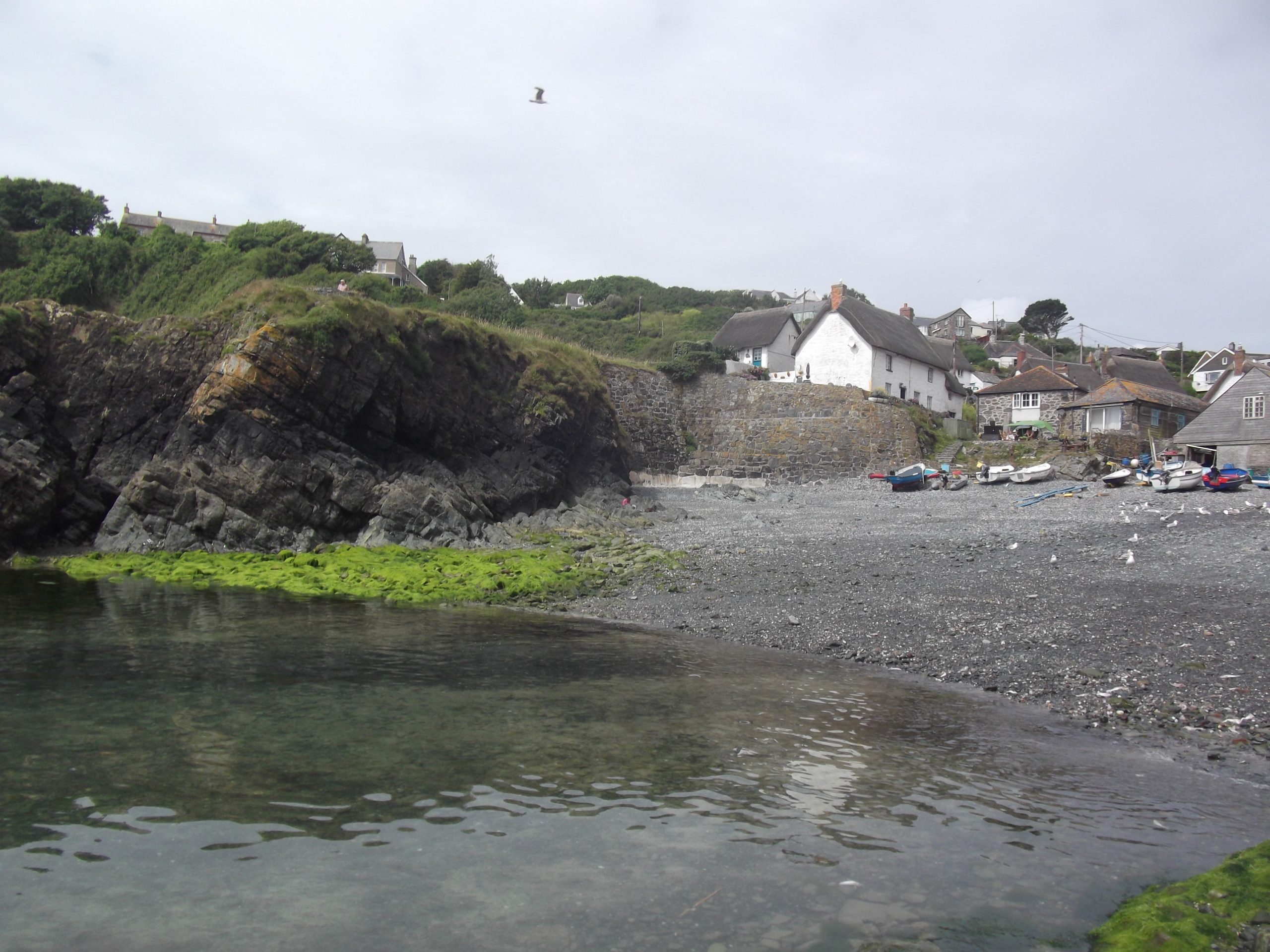
Cadgwith Cove is a historic fishing village on the Lizard Peninsula in Cornwall, England, with roots stretching back to medieval times. Originally recorded as Porthcaswith (and Porthkajwydh in Cornish), the name translates to “cove of the thicket” or “battle of trees,” reflecting the densely wooded valley that once surrounded it.
It began in the Middle Ages as a collection of fish cellars where local farmers supplemented their livelihoods with fishing. By the 16th century, it evolved into a permanent settlement with stone, cob, and thatched cottages lining the steep valley and shingle cove. During the 17th and 18th centuries, Cadgwith—like much of the rugged Cornish coast—became a notorious hotbed for smuggling. Smugglers used the cove’s hidden caves, narrow alleyways, and local knowledge to land and store contraband such as brandy, tea, and tobacco. Records note that by 1778 it was common for inhabitants to secrete goods for major smuggling rings, a practice that persisted well into the 1820s until coastguards (such as Lieutenant Roberts in 1825) were more heavily deployed.

For centuries, the backbone of Cadgwith’s economy was the pilchard industry. Lookout men known as huers stood on the headlands shouting “Hevva, Hevva!” (“Here they are!”) to direct large seine boats and nets to enclose massive shoals. The industry reached a peak in 1904, when a record 1,798,000 pilchards were landed over four days. Overfishing and shifting sea temperatures eventually caused the pilchard shoals to decline by the 1950s. Lifeboat Station: The Cadgwith Cove Lifeboat Station operated from 1867 to 1963, saving numerous lives along the hazardous Cornish coast. The old boathouse is now used by the Cadgwith Pilot Gig Club. St Mary’s Church was built in 1895 as a fishermen’s chapel out of corrugated iron, it features local history and memorials. The Cadgwith Cove Inn has served the community for roughly 400 years, and former pilchard cellars now house local art galleries and crab. Today, Cadgwith remains one of the last true working “artisan” fishing coves in Cornwall. Rather than large pilchard fleets, local fishermen operate cooperatively to land brown crab, spider crab, lobster, and wet fish.

MUSIC

😀
0
😍
0
😢
0
😡
0
👍
0
👎
0

Lil’ Inspirations – Sea Goddess

😀
0
😍
0
😢
0
😡
0
👍
0
👎
0

Lil’ Inspirations – Mediterranean Pasty

😀
0
😍
0
😢
0
😡
0
👍
0
👎
0

Lil’ Inspirations – Lighthouse

LIGHTHOUSE

GALLERY

DSCN1383

Image 1 of 39

HISTORY

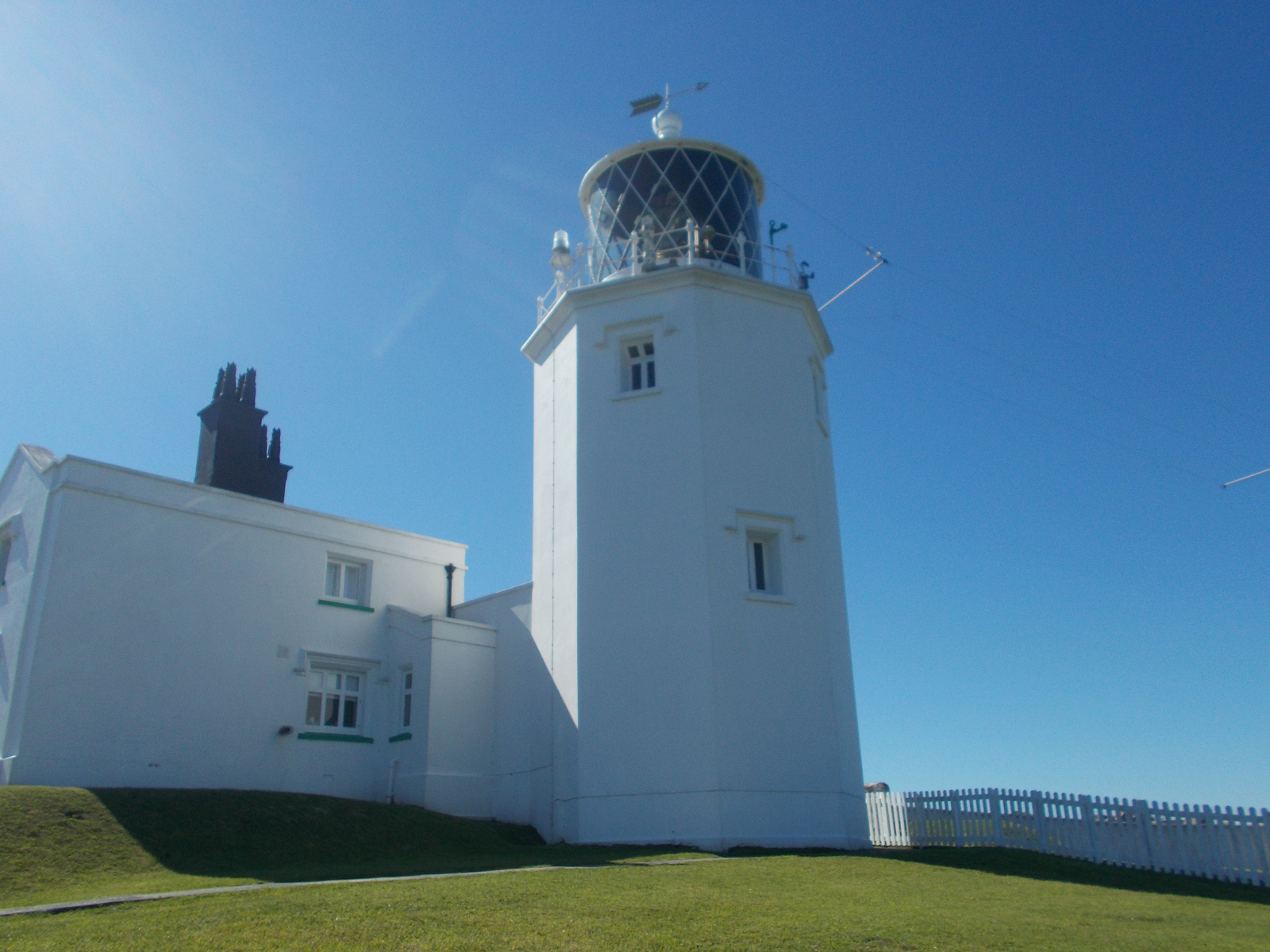
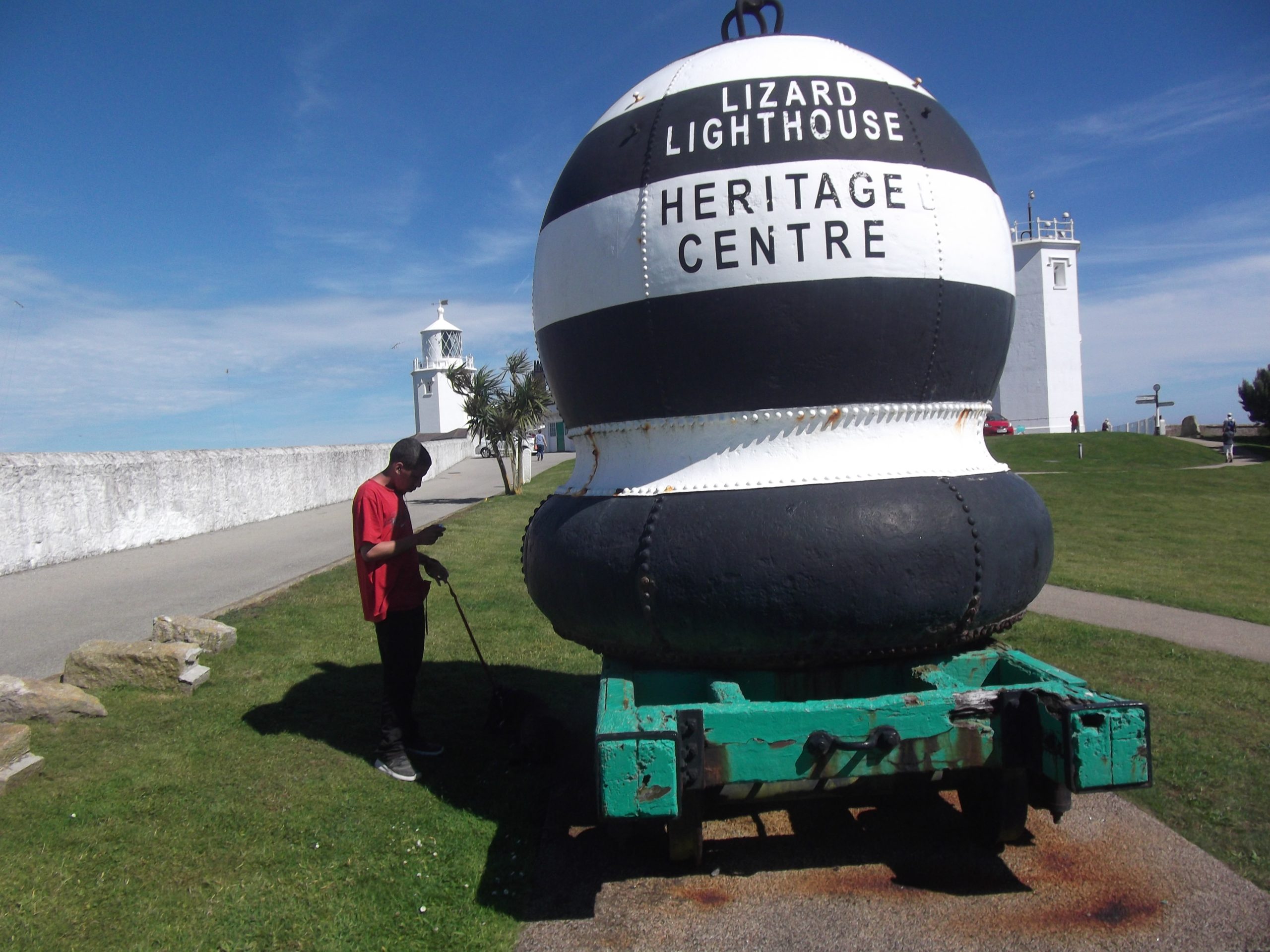
The history of the Lizard Lighthouse on Trinity House spans over four centuries at the southernmost tip of mainland Britain in Cornwall. 1619 (The First Light): Cornishman Sir John Killigrew built the very first private lighthouse here after receiving a patent. However, it ran into severe financial and maintenance difficulties and was demolished or abandoned around 1630, partly due to local resistance from communities who profited from shipwrecks. 1751–1752 (The Twin Towers Built): Landowner Thomas Fonnereau constructed the iconic twin-tower stone and brick structure connected by keeper quarters. Each tower originally burned coal fires (braziers) at the top to guide ships through the English Channel. 1771 (Trinity House Takeover): The general lighthouse authority Trinity House assumed control of the station. 1812 (Argand Lamps): Coal burners were replaced with fixed oil-fired Argand lamps and parabolic reflectors. 1878–1881 (Electric Light & Engine Room): The station was upgraded with electric arc lights powered by early magneto-electric generators, and an engine room was added in 1881 alongside compressed-air fog signals. 1903 (Western Tower Deactivated): With improvements in lens technology and brightness, only one light source was needed. The western tower was deactivated and its lantern dismantled. 1950 (Mains Electricity): The facility transitioned to mains electricity. 1998 (Automation): The lighthouse was fully automated, and the last traditional fog signal was replaced. Operations are now monitored remotely from Trinity House in Harwich, Essex. 2009–Present (Heritage Centre): The former engine room opened as a visitor attraction with support from the Heritage Lottery Fund (though the heritage displays have faced temporary closures in recent years.)

MUSIC

😀
0
😍
0
😢
0
😡
0
👍
0
👎
0

Lil’ Inspirations – Working At The Serpentine

WORKING AT THE SERPENTINE

GALLERY

DSCN1069

Image 1 of 19

HISTORY

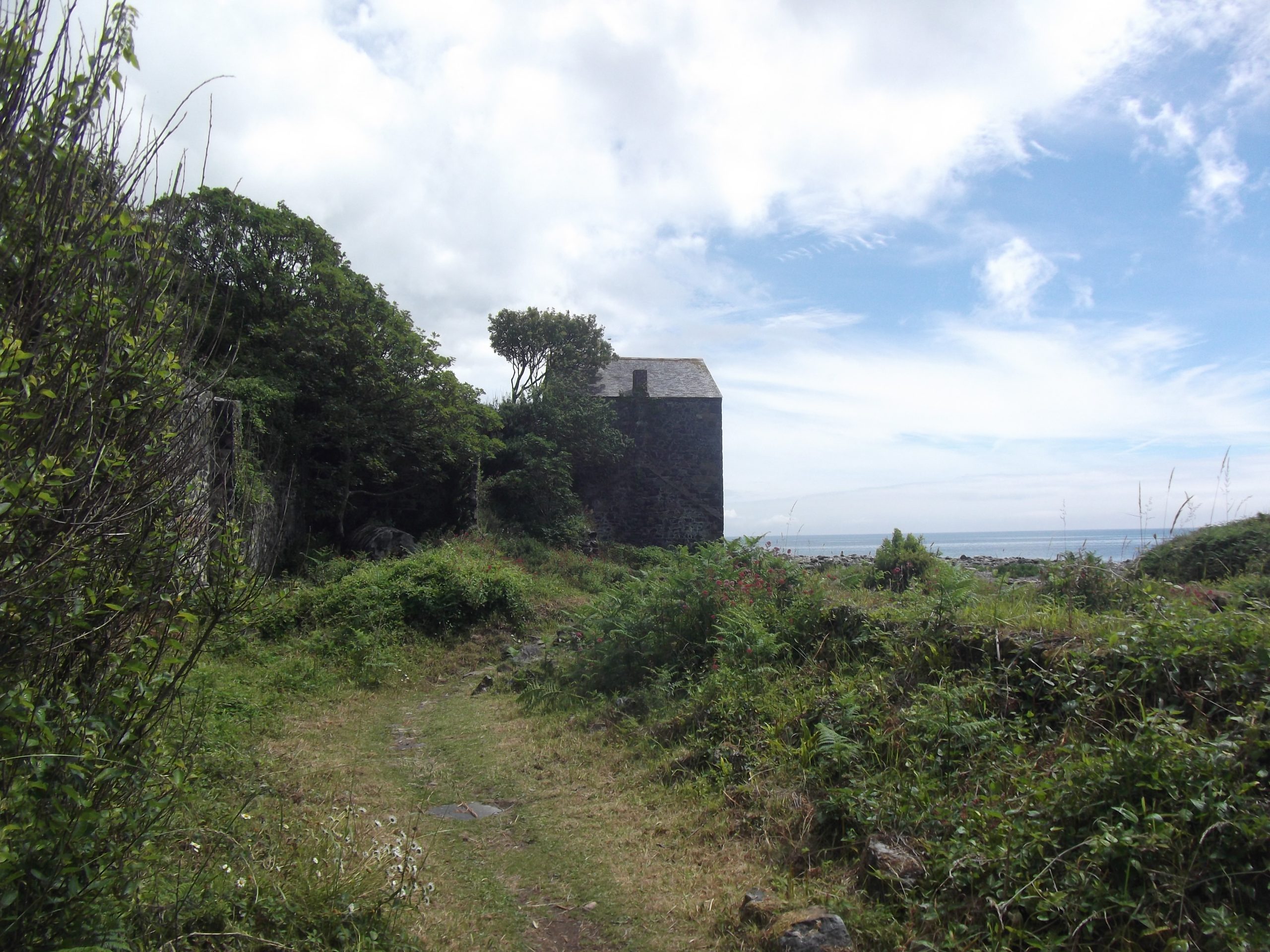
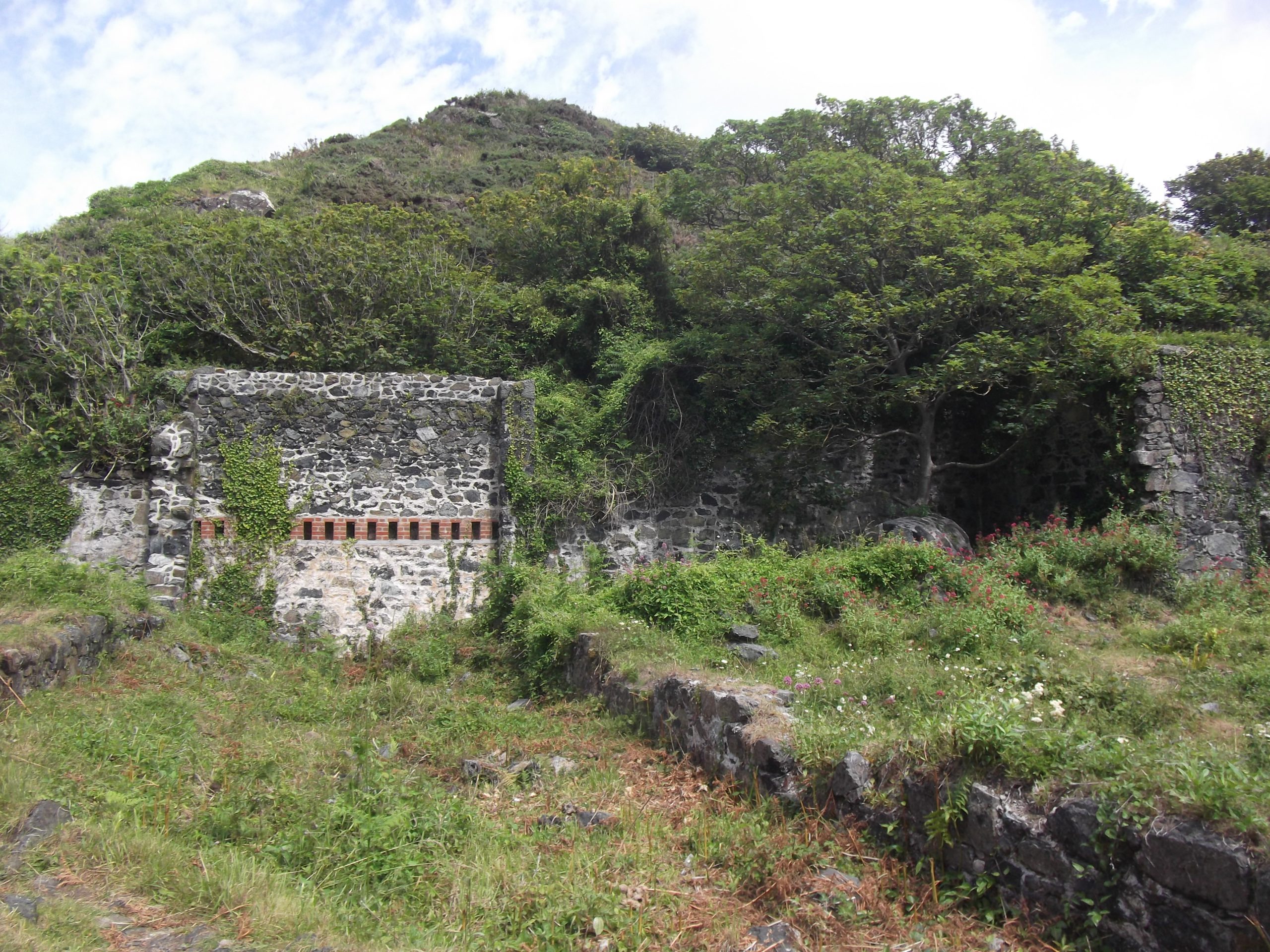
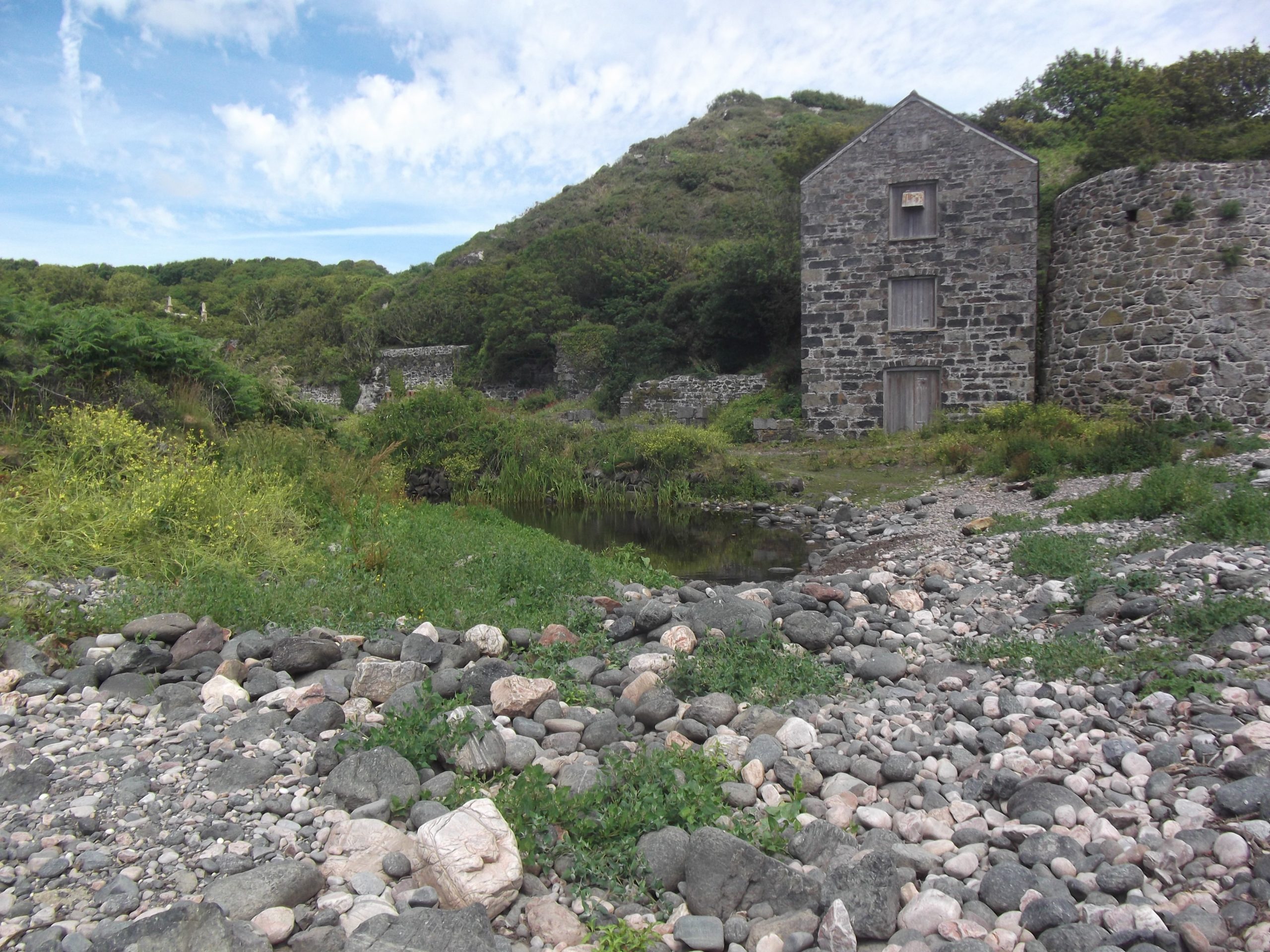
The ruins of the historic Poltesco Serpentine Factory (also known as the Carleon Factory) are located at Carleon Cove, situated just over a mile east of the hamlet of Kuggar on the Lizard Peninsula in Cornwall. The unique, colorful, scaly-textured stone known as serpentine is abundant on the Lizard Peninsula. While small-scale crafting had existed locally for years, the industry skyrocketed after the Great Exhibition of 1851. Prince Albert ordered several serpentine pieces and souvenirs for the royal family, instantly making the rock highly fashionable across Victorian society. To meet the sudden surge in demand, the Lizard Serpentine Company established a large-scale factory at Carleon Cove in 1855. The factory was deliberately built at the mouth of the Poltesco valley to harness water power. A massive 25-foot overshot waterwheel originally powered the heavy machinery used to saw, turn, and polish the tough stone. In 1866, a three-story stone warehouse (which still stands today with the “1866” datestone) was added alongside a steam engine to boost production.

Unlike the small trinkets made by individual artisans, this factory specialized in grand, industrial-scale objects. They manufactured heavy architectural features, including church fonts, shop fronts, grand ornamental urns, and mantelpieces, which were featured in high-profile buildings like the Duchy of Cornwall offices in London.
Shipping: Raw stone was brought in from nearby cliffside quarries (like Balk Quarry). Once processed, flat-bottomed barges carried the massive, polished items out to large schooners anchored offshore in the bay. At its height, the factory employed over 20 local men. However, the boom was relatively short-lived. By the late 19th century, the factory faced soaring transportation costs, the natural brittleness of the stone, and a shift in high-society fashion trends—largely driven by Queen Victoria’s newfound preference for Italian marble. The complex officially ceased operations in 1893. During the 1930s, the factory was mostly demolished, and some of its surrounding quarries were later repurposed during WWII to crush stone for military airfield runways. Today, the site is protected and managed by the National Trust. Visitors walking the South West Coast Path near Kuggar can explore the imposing stone ruins of the 1866 warehouse, the ancient wheel pit, and an open-air exhibition detailing the valley’s industrial heritage.

MUSIC

😀
0
😍
0
😢
0
😡
0
👍
0
👎
0

Lil’ Inspirations – Pulse

😀
0
😍
0
😢
0
😡
0
👍
0
👎
0

Lil’ Inspirations – Last Stop

LAST STOP

GALLERY

448

Image 1 of 64

HISTORY

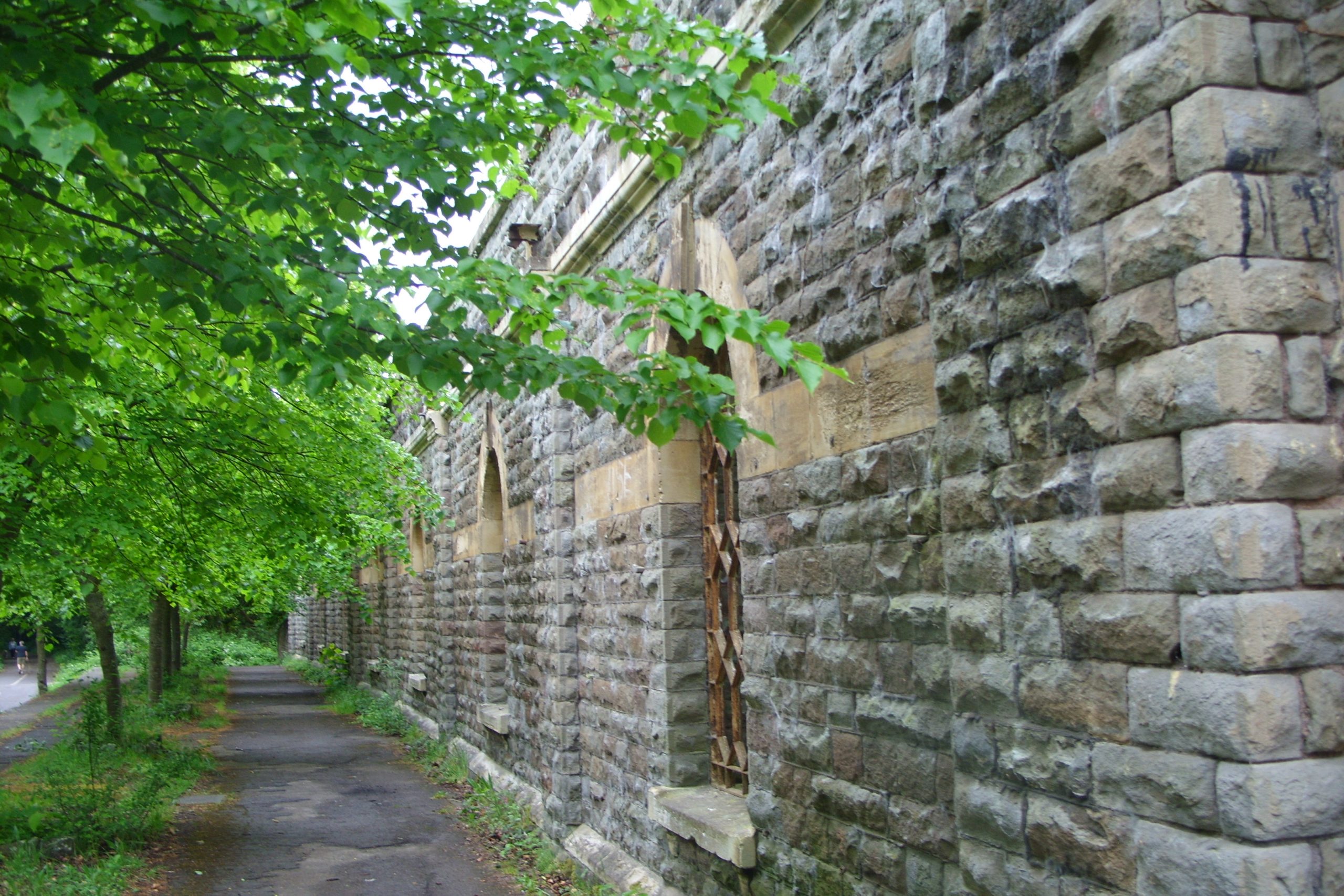
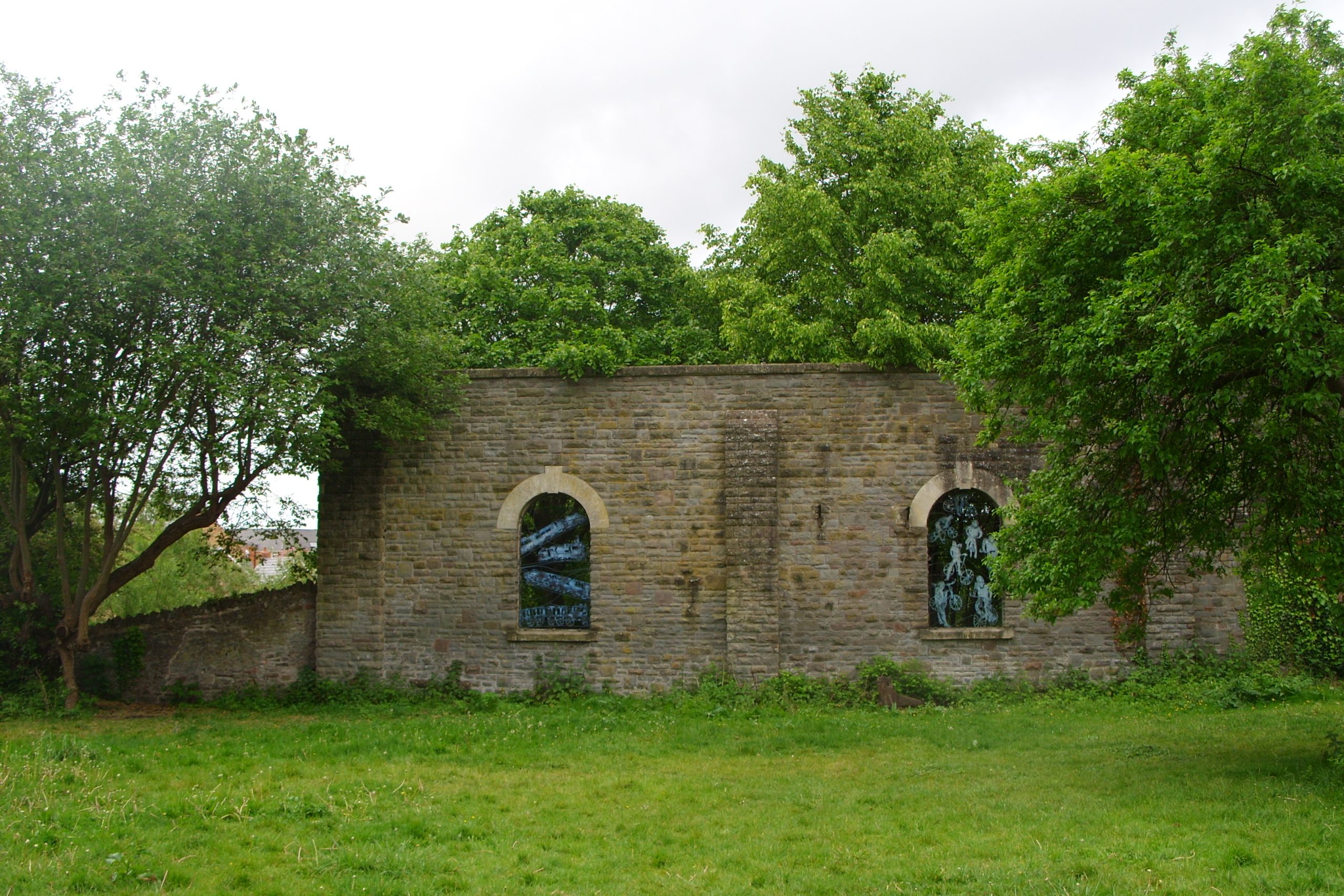
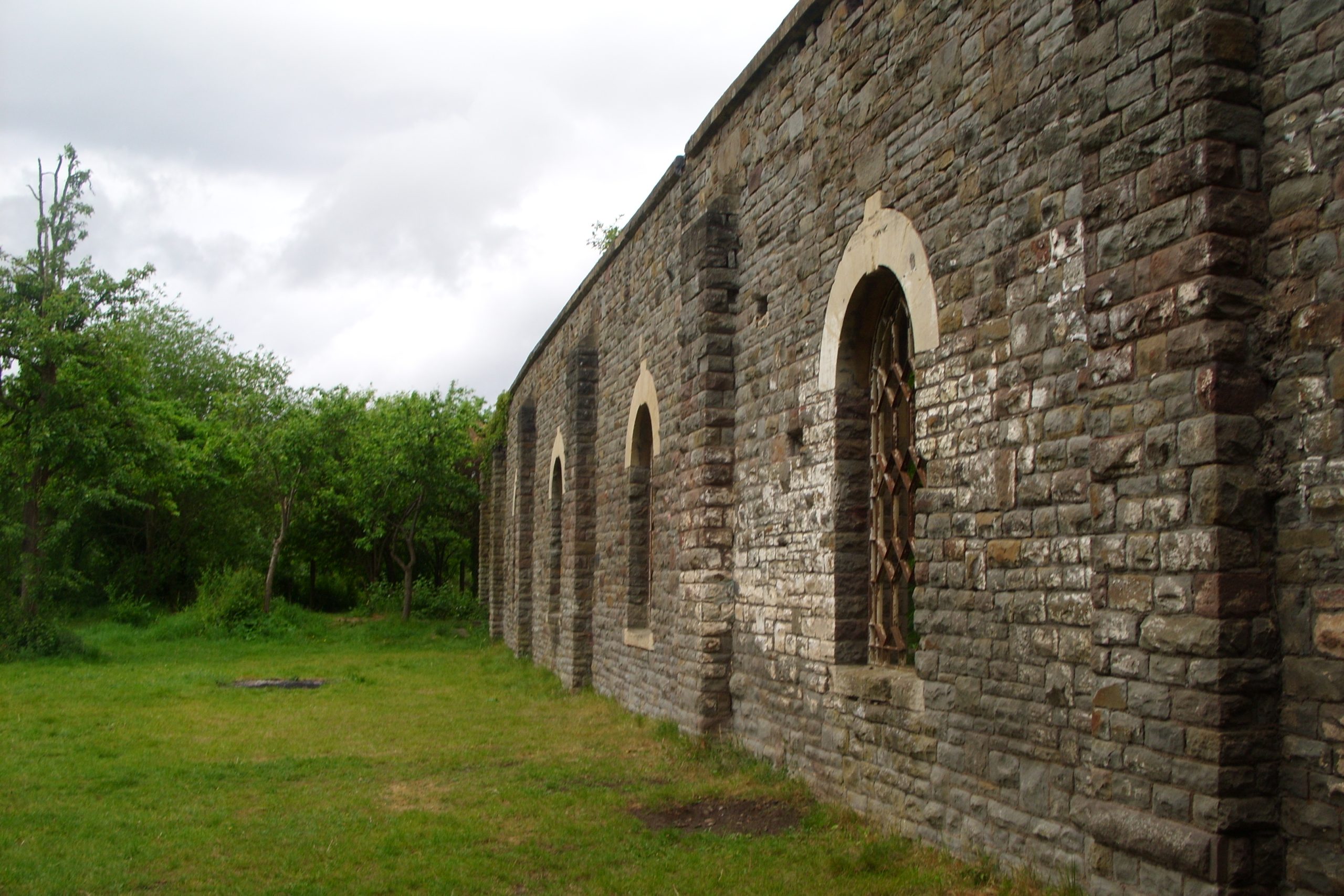
The Avon and Gloucestershire Railway also known as The Dramway was an early mineral railway, built to bring coal from pits in the Coalpit Heath area, north-east of Bristol, to the River Avon opposite Keynsham. It was dependent on another line for access to the majority of the pits, and after early success, bad relations and falling traffic potential dogged most of its existence. It was five and a half miles (8.9 km) long, single track, and 4 ft 8+1⁄2 in (1,435 mm) standard gauge. It opened in part in December 1830 and carried its last traffic in January 1904, having been near-dormant since 1844. It used horses to pull wagons. Part of its route is accessible today as a footpath, and signs of much of the route are still visible. In the latter years of the eighteenth century, coal pits were opened up in what became the northern and eastern parts of the Bristol Coalfield and the Somerset Coalfield. Extracting the coal was only part of the process, and bringing it to market was the necessary next step; before proper roads existed, land transport of heavy bulk materials posed huge challenges, although rivers and canals provided a partial solution. The important industrial city of Bristol generated a massive demand for coal, for domestic and industrial purposes, and the proprietors of pits in the Coalpit Heath area, about nine miles (14 km) north-east of the city, turned their attention to wagonways 

and tramways as a solution to their transport problem. Numerous schemes were put forward, but none gained the necessary financial support until the Bristol and Gloucestershire Railway was formed, in October 1827. In this article, the Bristol and Gloucestershire Railway will be abbreviated to B&GlosR. In 1864 the Midland Railway obtained authority in an act of Parliament to build a branch line from Mangotsfield to Bath. At first, a proposal involved acquiring the alignment of part of the A&GR and using it for the new line, but this was not pursued. The revised route ran close to the alignment of the A&GR as far as Oldand Common. Near Siston Common, the route of the A&GR was altered at the expense of the Midland Railway to avoid the need for the new line to cross the A&GR twice. The A&GR alignment was chosen to avoid earthworks, and the Midland Railway was compelled to provide a cutting to accommodate the old line. Oldland Common tunnel was strengthened in the centre portion where the new line crossed it. Williams describes the extension of the Midland Railway to Bitton and Bath over this tunnel, which had to be lined for 90 feet (27 m) at MR expense to strengthen it. The Midland Railway line opened in 1869. The last entry in the A&GR account book had been in January 1867, so it may be that the new alignment never saw traffic. On 1 July 1851, the Kennet and Avon Canal company was taken over by the Great Western Railway. 

On 5 July 1865, the GWR obtained an act of Parliament which permitted (among other things) the abandonment of the A&GR line, and the last entry in the A&GR account book was dated January 1867. In 1876 California Colliery at Oldland was re-opened and used part of the line, having repaired it at their own expense. In August 1892 this colliery sent 60 tons of coal a day to the Avon, and the last entry in the K&ACC wharfage book was on 30 January 1904. On 9 July 1906, the GWR traffic committee was informed that all traffic on the line had ceased. Obtaining the necessary land for the line proved difficult, and a further act of Parliament, the Avon and Gloucestershire Railway Act 1831 (1 & 2 Will. 4. c. xii) on 30 July 1831 authorised some deviations, additional capital of £15,000 and yet more branches; these were all short lines to pits close to the A&GR line. Two were actually built: Redfield Lane to Haul Lane (or Hole Lane) pit (6 chains (0.075 mi; 0.12 km)) and Siston Common to Soundwell (43 chains (0.54 mi; 0.87 km)). Two others were authorised but were not built. At a committee meeting at the Backs Office, Bitton, on 27 October 1830, the committee travelled from there to Haul Lane pit in a “pattern wagon”. Presumably, this means a standardised design for independent hauliers to adopt, and the journey was probably rail-borne. It was reported that there were problems with the levels in the Willsbridge Tunnel, requiring it to be deepened and that two bridges were found to have been constructed improperly, requiring remedial works by the contractor.

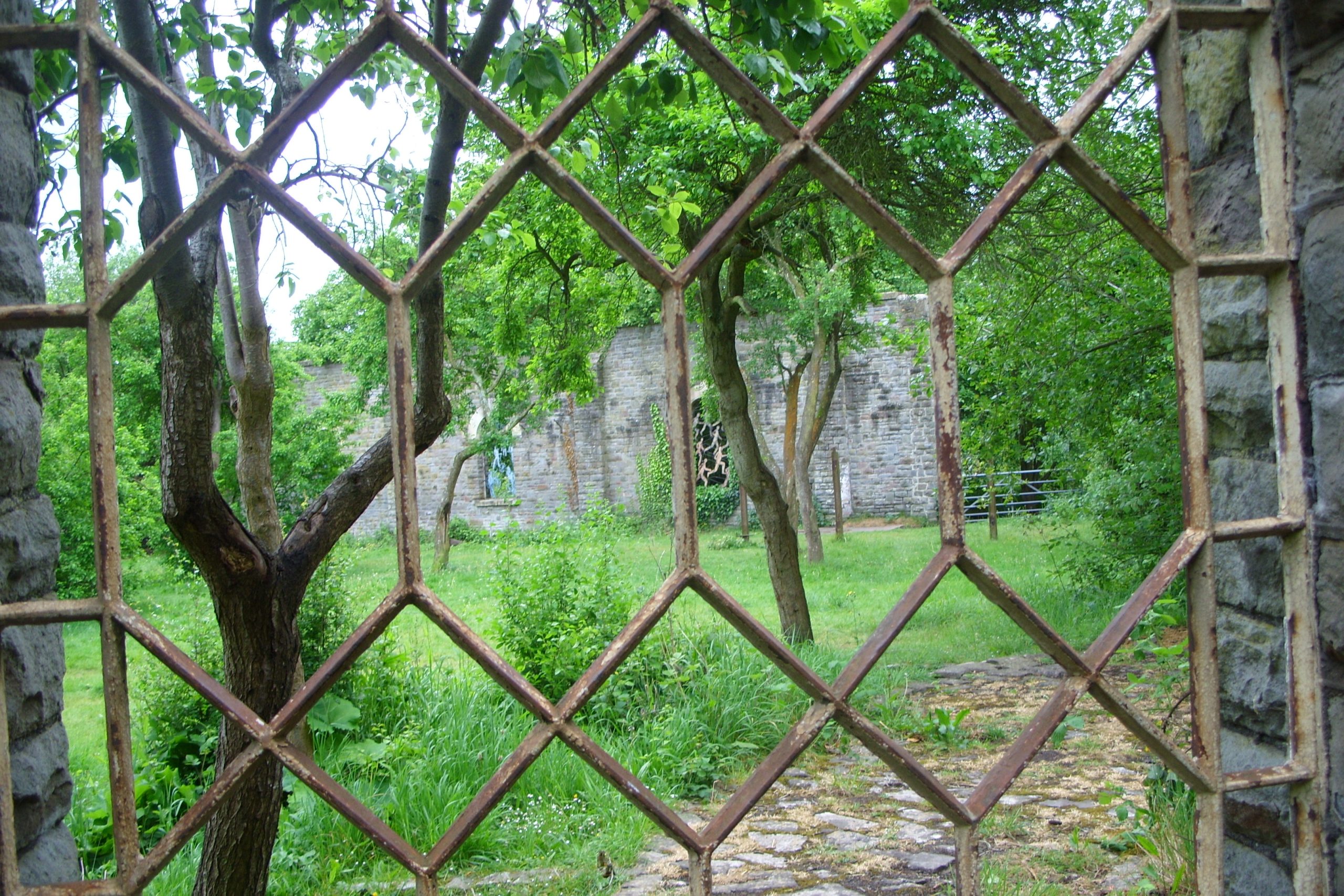
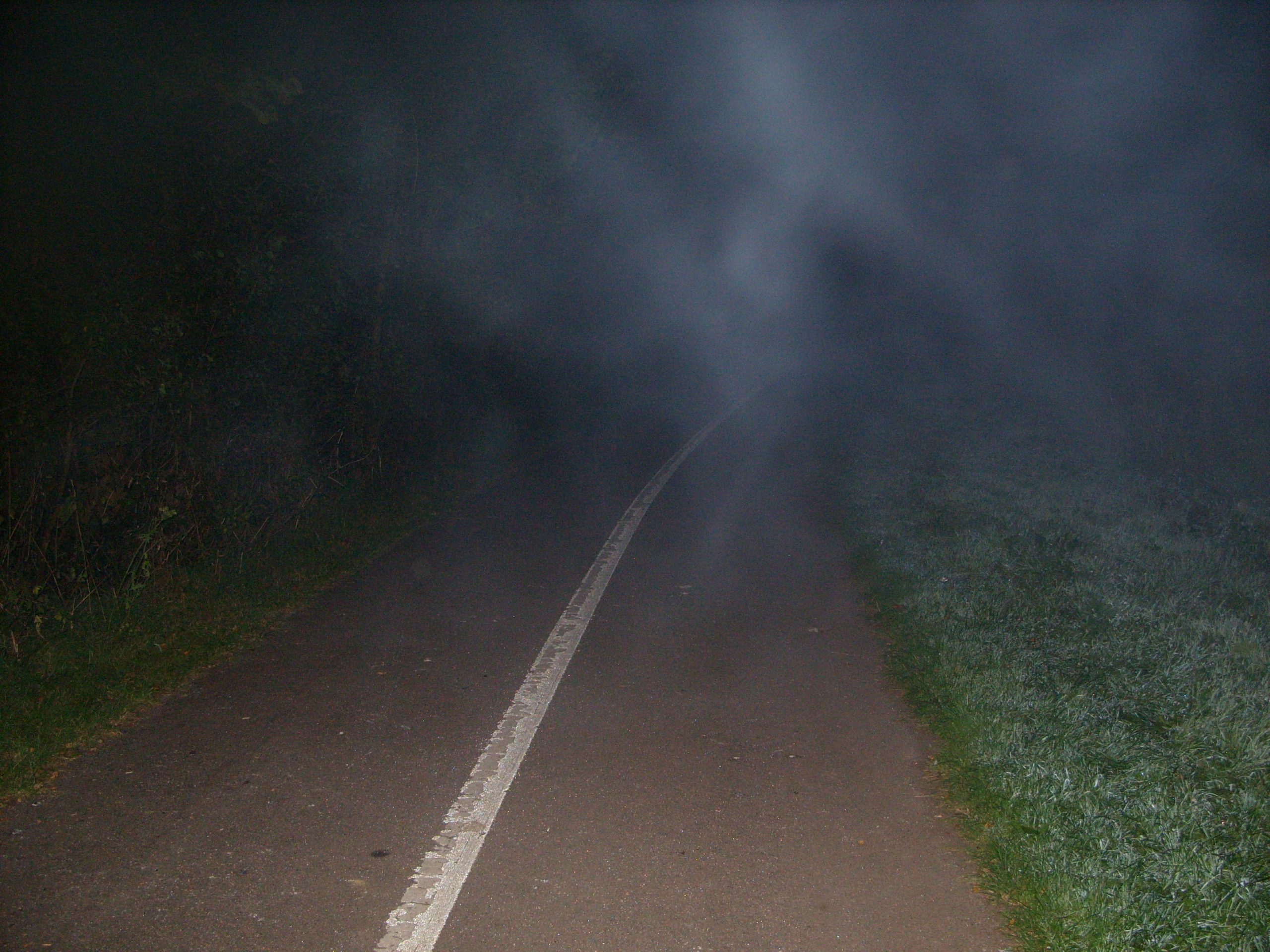
Mangotsfield railway station was a railway station on the Midland Railway route between Bristol and Birmingham, 5 miles (8.0 km) north-east of Bristol Temple Meads and 82 miles (132 km) from Birmingham New Street, serving the village of Mangotsfield in South Gloucestershire, England. The station was opened in 1845 by the Bristol and Gloucester Railway but had very little in the way of passenger amenities. The station was resited in 1869 to serve the new Mangotsfield and Bath Branch Line and became an important junction station with extensive facilities and six platforms. Passenger footfall however failed to match the station’s size, though at its peak eight staff were employed. The station closed in 1966 when services to Bath ended as part of the Beeching cuts, and the line through the station closed in 1969. The railway became a cycle path in the 1980s and is a popular resting point on the route as several of the station’s walls and platforms are still in situ. On 9 March 1853, there was a fatal collision between the morning mail train and another locomotive. The mail train from Gloucester – composed of a locomotive, passenger carriage, and mail van – had stopped at the station to allow the driver to adjust a loose pin on the locomotive. In dense fog, another locomotive, travelling from Gloucester to Bristol, crashed into it from behind at 25 miles per hour (40 km/h).  

CRASH REPORTS

On 9 March 1853, there was a fatal collision between the morning mail train and another locomotive. The mail train from Gloucester – composed of a locomotive, passenger carriage, and mail van – had stopped at the station to allow the driver to adjust a loose pin on the locomotive. In dense fog, another locomotive, travelling from Gloucester to Bristol, crashed into it from behind at 25 miles per hour (40 km/h). The carriages of the mail train were smashed to pieces, with passengers thrown about. Two passengers – Thomas Jones and William Antill were killed, while several others suffered severe injuries. At the inquest, the deaths were attributed to neglect of duty by the mail train’s guard, Abraham Perkins, and the under-guard, William Maycock.


On 16 January 1861, a train derailed near the site of the second Mangotsfield station. A landslide, thought to have been caused by frost, dropped a large boulder to block the line towards Birmingham, causing the entire train — locomotive, luggage van and three carriages — to come off the tracks. There were no significant injuries, and the tracks were cleared within five hours.


On 23 September 1861, another collision occurred at the station. A goods train, which was being shunted into the sidings north of the station to allow a passenger train to pass, broke down while crossing the southbound track. There was no electrical telegraph system at Mangotsfield and, although efforts were made to alert signallers at Yate, an excursion train returning from Liverpool and Manchester crashed into the goods train. Three of the goods train’s wagons were derailed, and twelve passengers aboard the excursion train were injured, including one severely but no one died from the crash. 

Another collision occurred on 30 August 1886, at the site of the first station. A goods train from the north had shunted onto the line towards Bath, on the eastern side of the Mangotsfield triangle. An excursion train from Cheltenham and Gloucester, heading for Weston-super-Mare, was arriving from the north and heading west into the station. As it was passing the junction, the goods train began to back out onto the main line. The locomotive and first few carriages of the excursion train, which was heavily laden, passed without incident, however, after this the rear of the goods train fouled the main line. The last goods van grazed the rest of the excursion train’s carriages, smashing the coaches’ steps and damaging the side panels. The guard’s van of the excursion train however had a projecting observatory box, in which the guard, James Quick, was sitting, and this hit the goods train. The observatory box and rear of the guard’s van were ripped off. Quick suffered severe head wounds, while two passengers received minor injuries.
On 18 February 1926, a wagon examiner named Daniel Alway suffered a fatal accident in the sidings at Mangotsfield. Always had been walking along the siding while a train was shunting, in the same direction he was walking, when he lurched towards the train “as though his ankle had given out, or that he had trodden on loose metalling” Alway was hit by the train and run over by it. He was rushed to the Bristol Royal Infirmary, where his lower legs were amputated, however, he became septic and died from heart failure on 26 February.

Another trackside worker lost their life at Mangotsfield in 1934: Albert Henry Noad, a platelayer with 35 years of experience, was clearing weeds from the side of the track when he was hit by a passing train. Coworkers stated Noad needed to be near the rails in order to do his job properly, but did not hear a shouted warning and misjudged the distance to the oncoming train. A verdict of accidental death was recorded. Further members of railway staff were hit and killed by trains in 1941, 1948 and 1949.

In 1935, two teenage boys were convicted of endangering the lives of railway passengers after they put a fishplate weighing 20 pounds (9.1 kg) on the tracks. The plate was subsequently run over by a train, causing damage to a sleeper and a wall.

Two passenger carriages derailed at Mangotsfield in 1936. The coaches were being shunted just west of the station when they became fouled on a set of points and derailed. Both coaches were empty, and there were no injuries.

MUSIC

POEM

😀
0
😍
0
😢
0
😡
0
👍
0
👎
0